Mountaineering Trip to the North America’s Highest Peak-Denali: “The Great One”
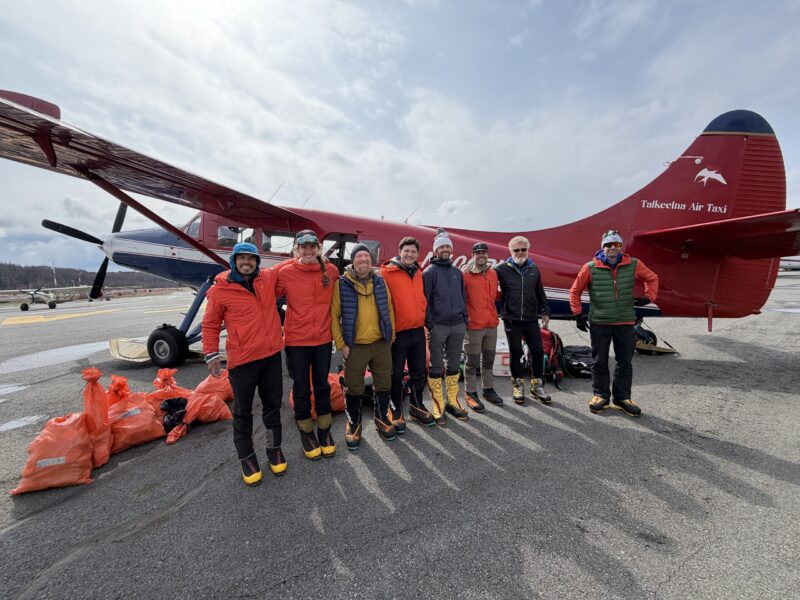
A Season on “The Great One”: Our Denali Climb
In the mountains, they say you have to be ready for anything- weather, harsh conditions, equipment failure, you name it. On one hand, you train and prepare as hard as you can to react and respond to the curveballs thrown your way. And yet, no matter how ready you are, there will always be unforeseen variables. That’s part of what makes mountaineering so demanding, and so rewarding when it all comes together.
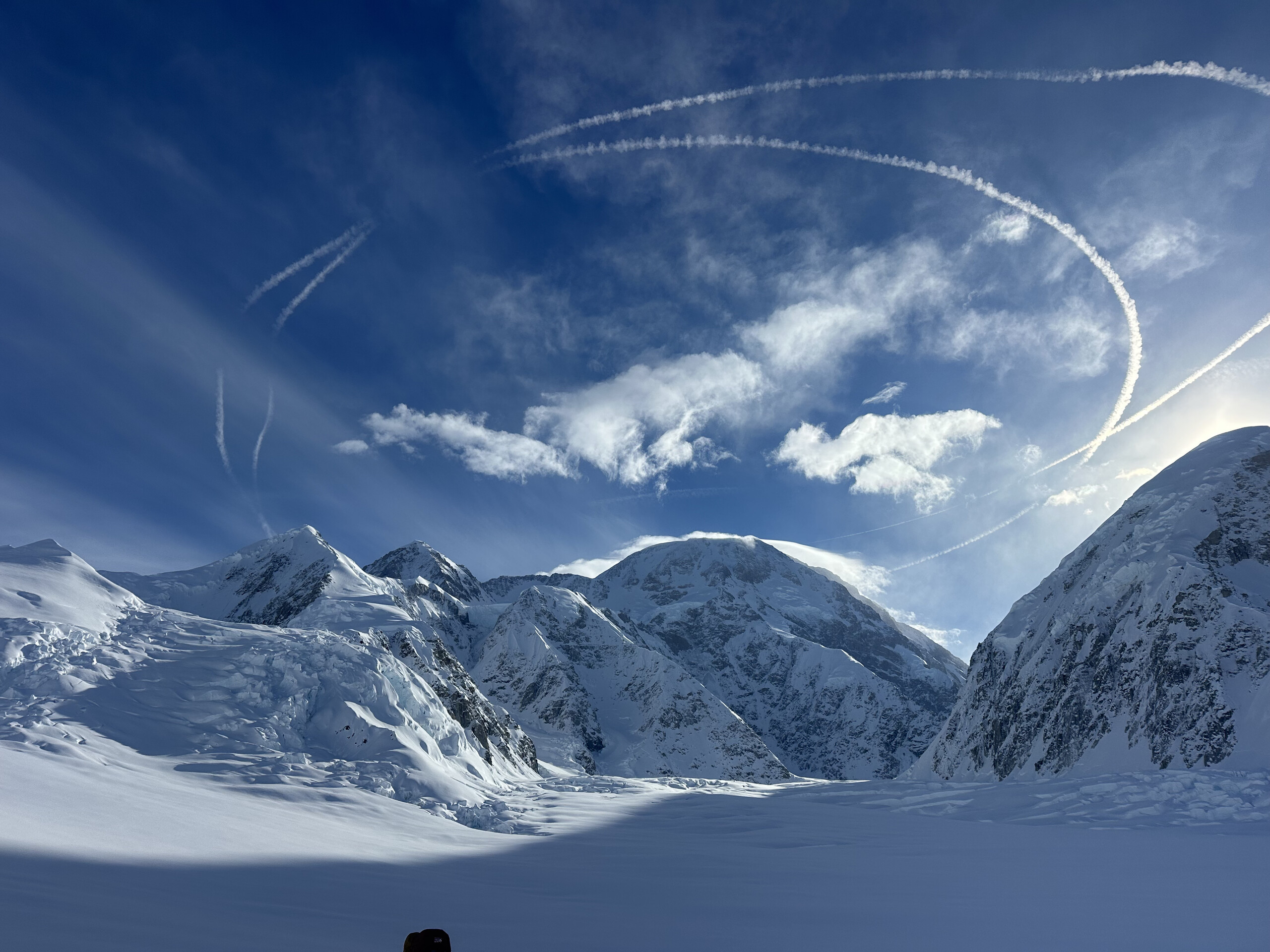
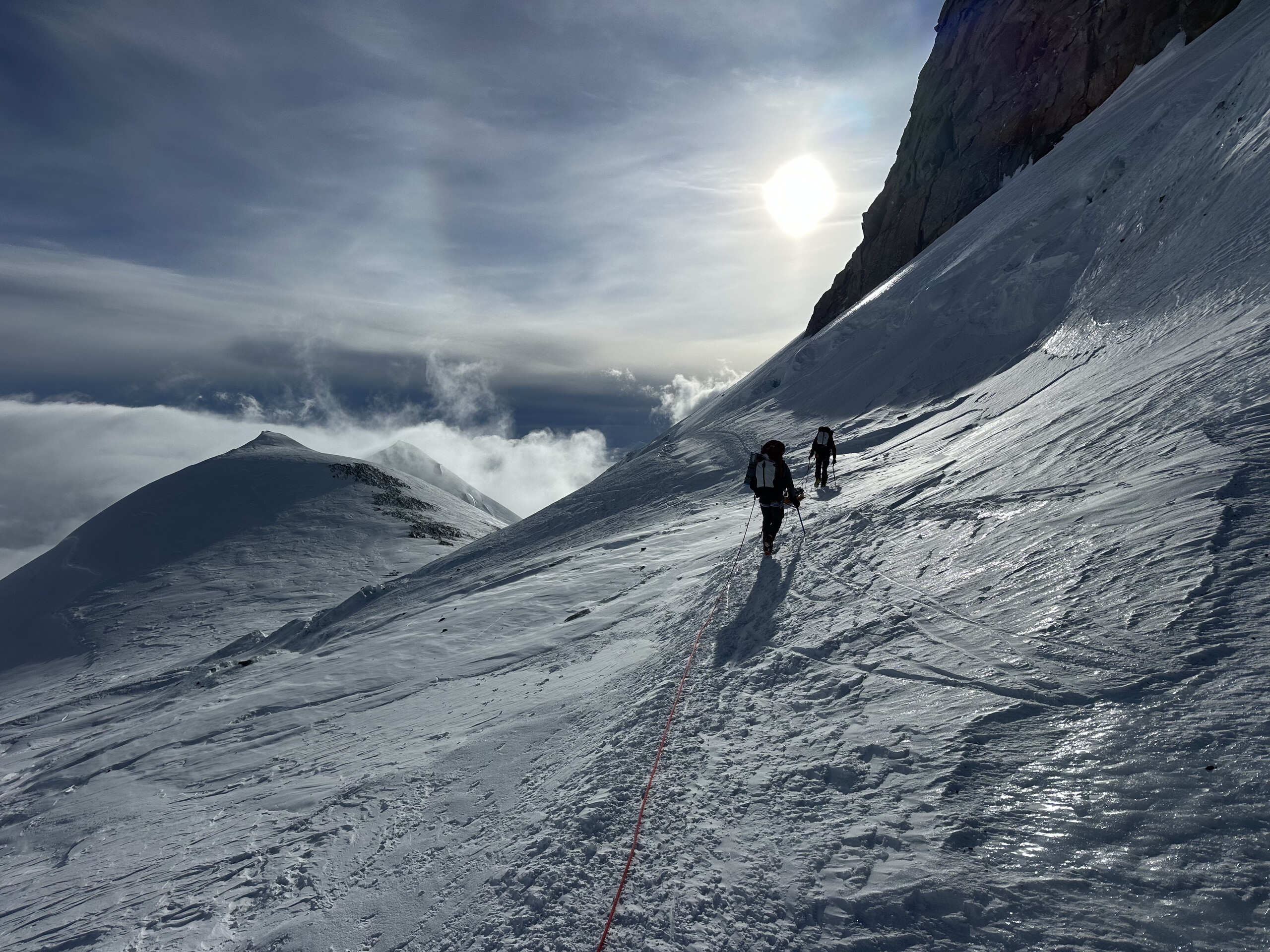
Typically, May on Denali brings cold but steady, clear conditions, while June tends to be warmer but snowier. This year, however, was unprecedented. The early season began in April with nearly 25 feet of snow falling over the course of two weeks. Early in our climb, this proved partially beneficial: the snow bridges over the crevasses were filled in with deep snow, reducing the hazards along the route. Higher on the mountain, though, that same snow created ice-packed, high-exposure sections that made forward progress nearly impossible. A series of back-to-back-to-back multi-day low-pressure storms brought frostbite-inducing temperatures below -30°F, hanging cornices suspended from the mountain’s walls, and heavy snow loading on high-angle terrain, a recipe for avalanche hazards. Some of these risks can be mitigated, but their severity, paired with the consequences of a fall on such terrain, made progress both difficult and dangerous. Conditions were risky to say the least, and those who pushed forward were often met with failure or, in a number of cases this year, death on the mountain.
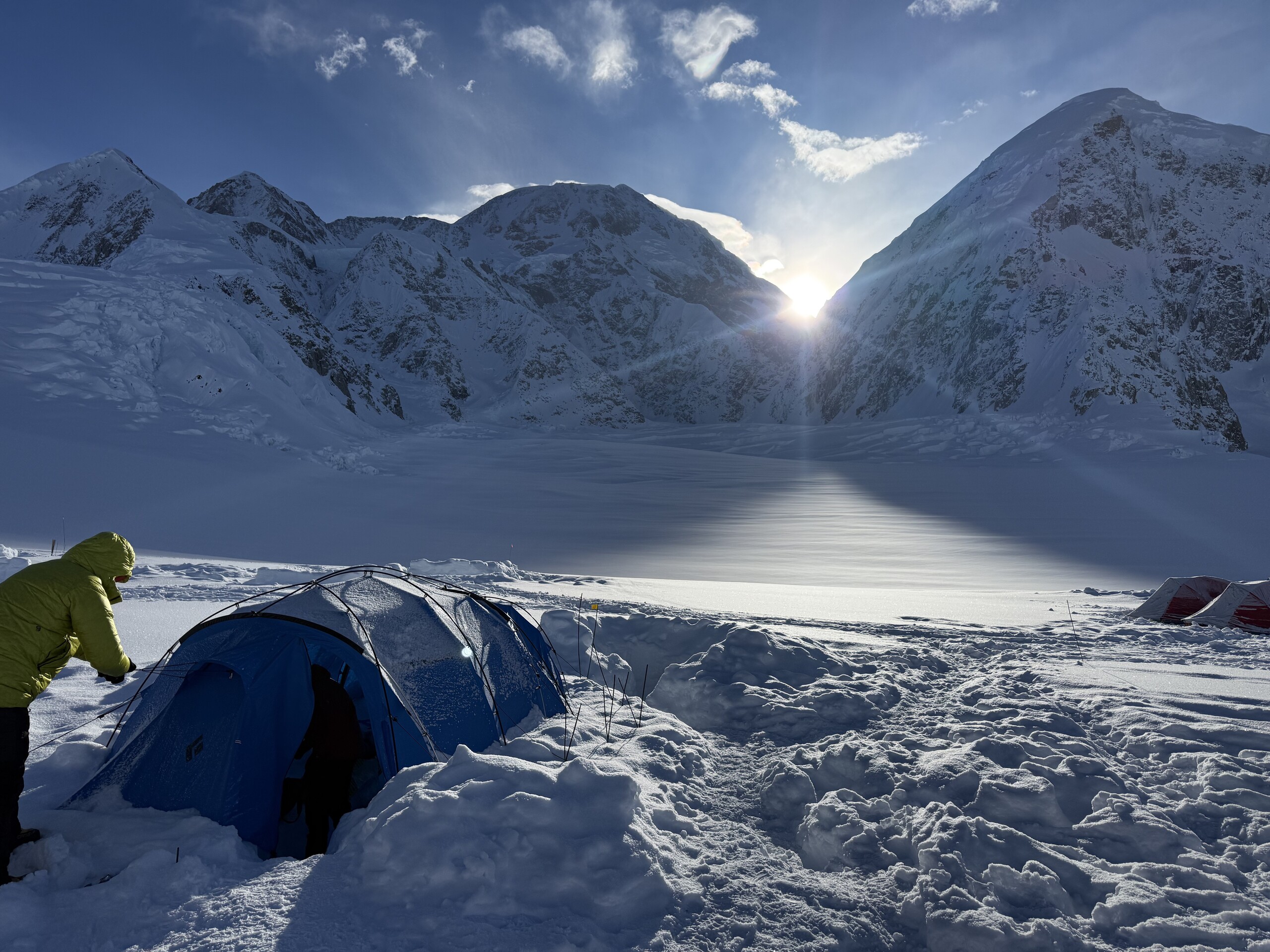
These conditions even stopped the National Park Service Climbing Ranger team. The Park Service usually establishes fixed lines on many of the route’s most challenging sections and maintains camps at 14,000′ and 17,000′ to respond to emergencies on the mountain. This year, they were unable to get even a third of their supplies up to 14K by the end of May, a telling sign of just how challenging things were. With the fixed lines buried under feet of ice, teams attempting the West Buttress were halted in their tracks. Soon after our team left, one of the Park rangers even died around 14,000’ after falling into a crevasse, a subtle and humbling reminder how dangerous conditions can be.
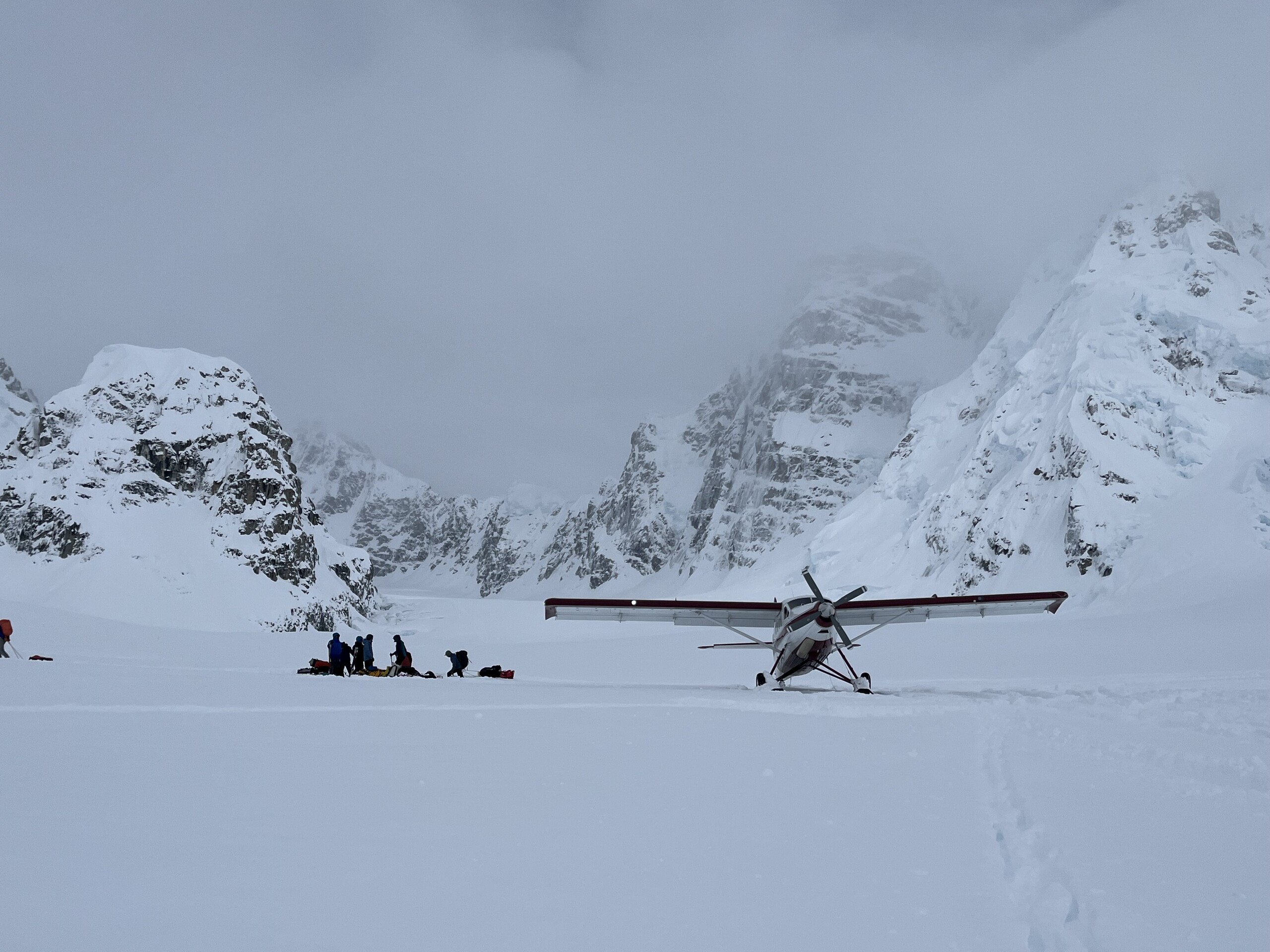
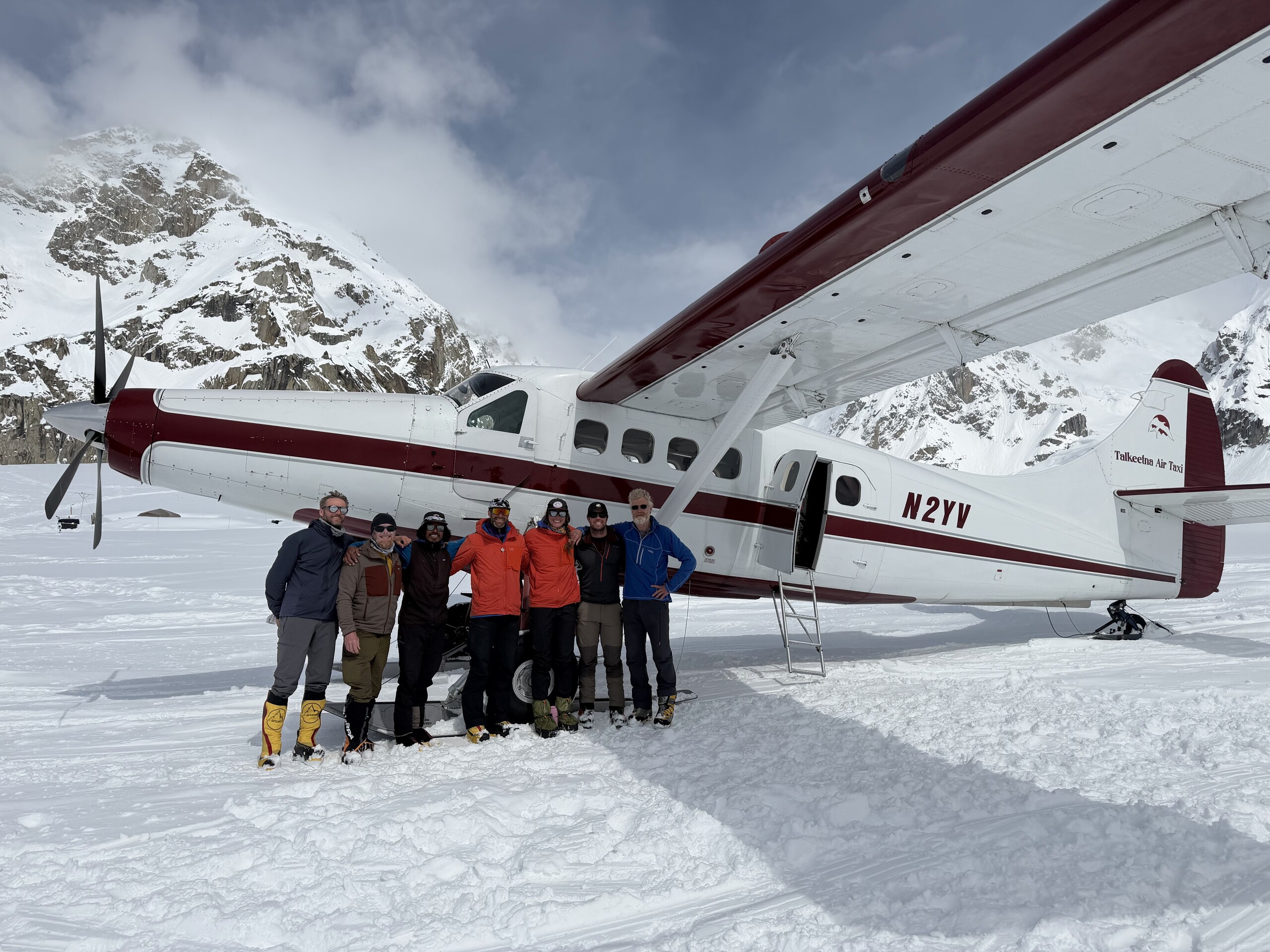
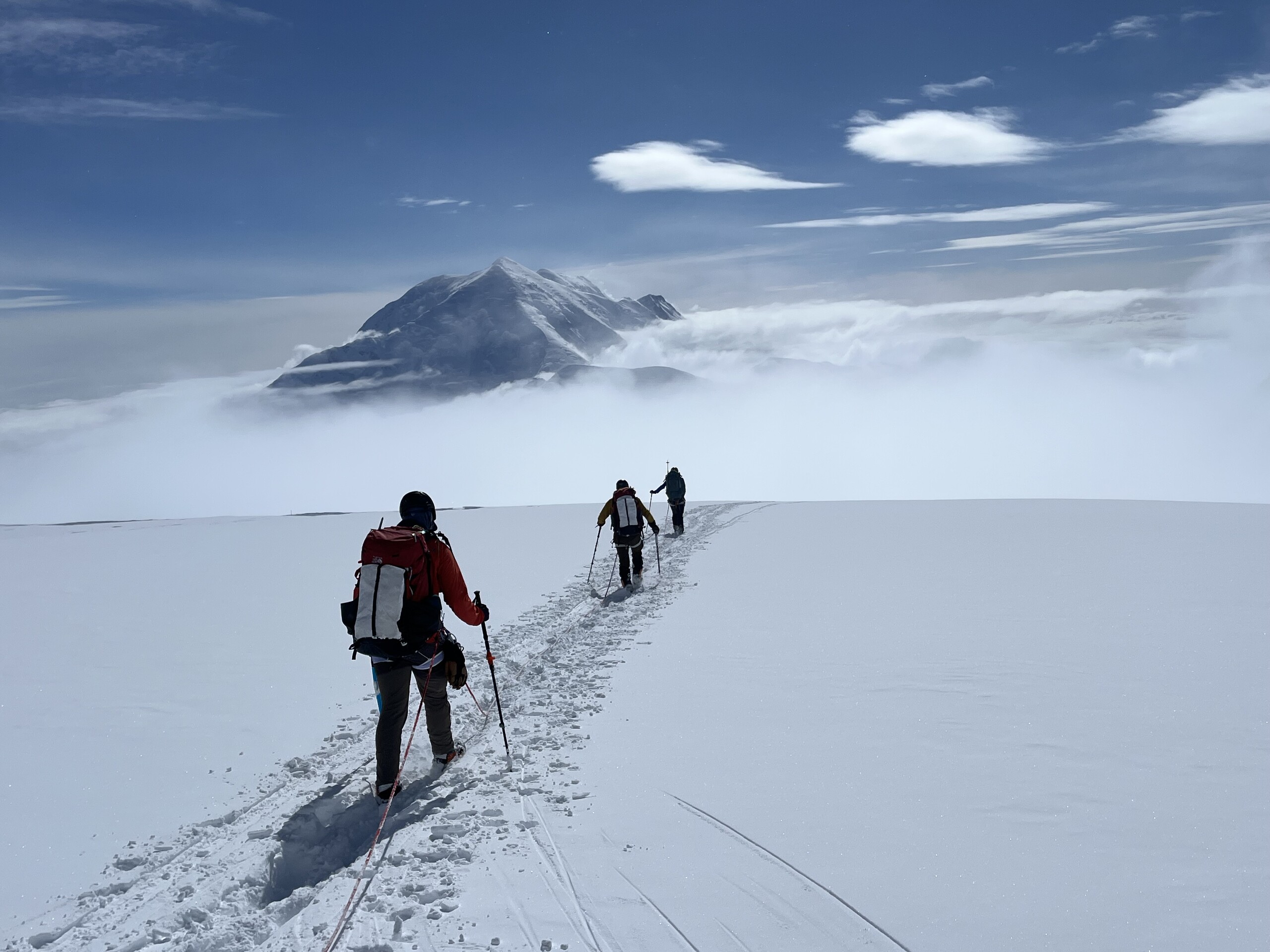
Our team certainly tested ourselves every chance we got. We were the season’s first guided group to break trail from base camp to Camp 1, carrying over 120 pounds of gear and food across the Kahiltna Glacier and through three feet of fresh snow. From there, we were the first expedition to push up to 14K camp to cache gear. Even getting onto the mountain was a feat: before the trip began, hundreds of climbers sat waiting in Talkeetna as poor flying conditions kept the glacier planes grounded.
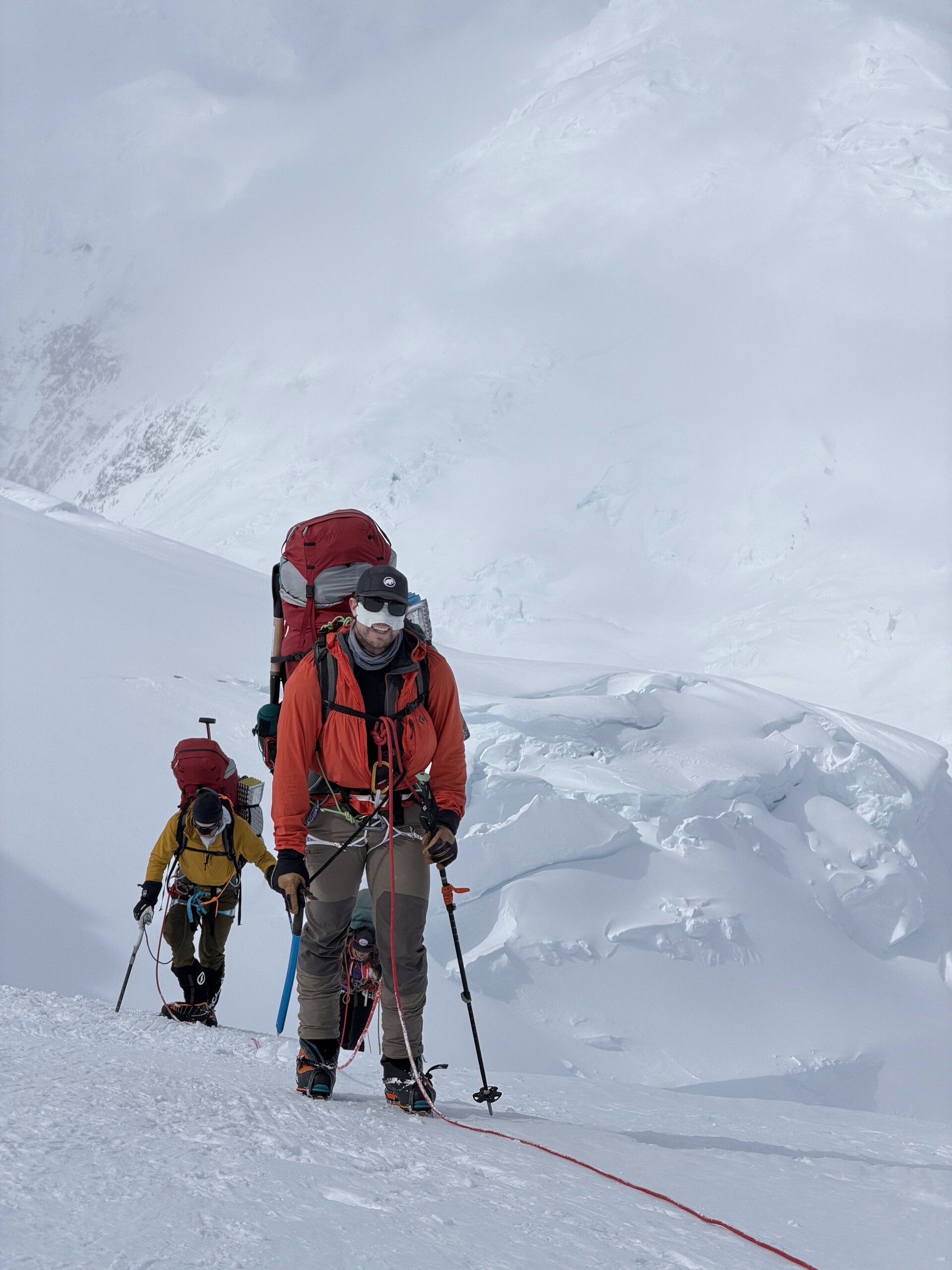
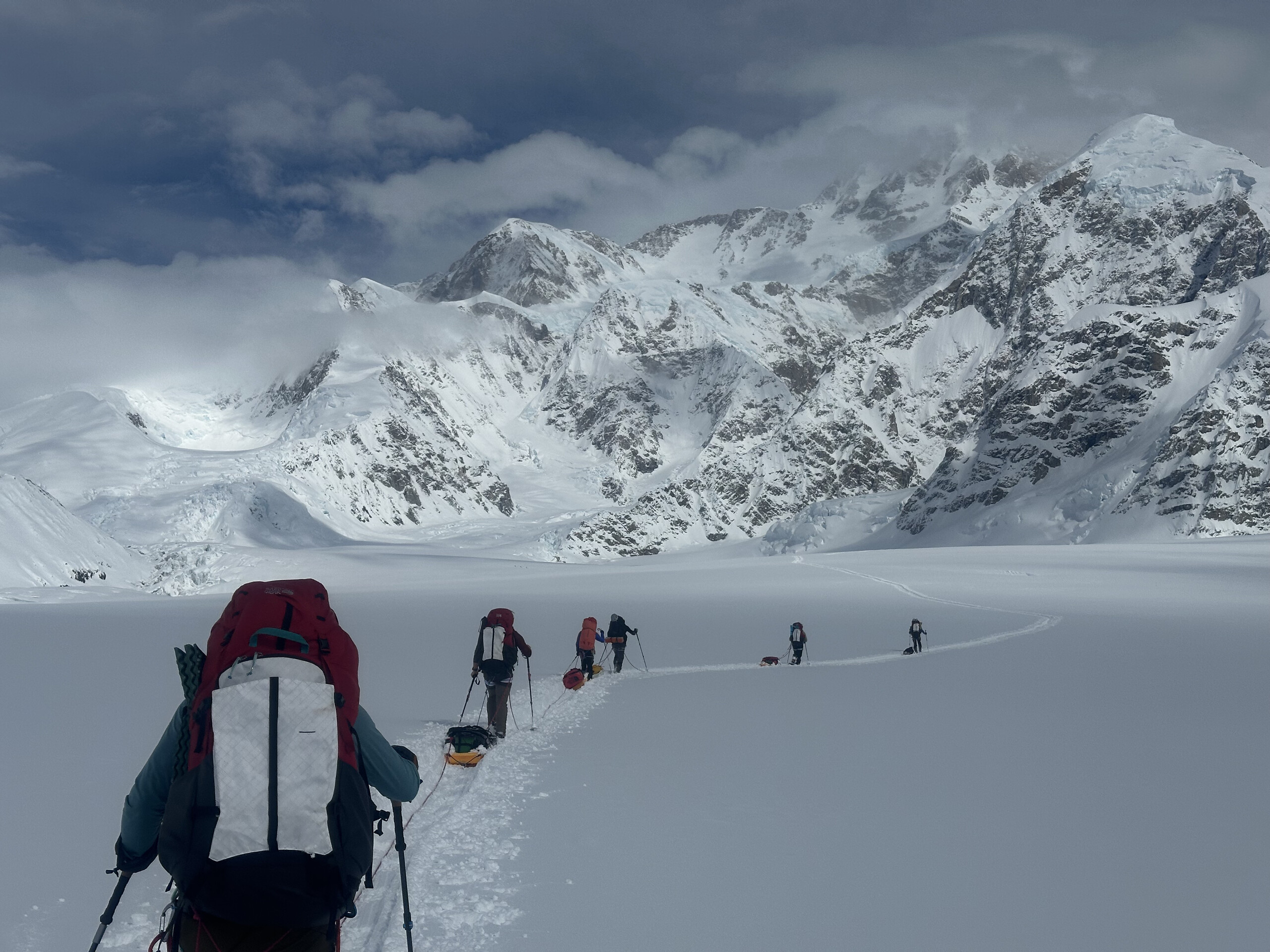
Despite the setbacks and forbidding conditions, we were fortunate in many ways to have the experience we did. A few highlights from the climb:
– Flying through the Alaska Range for the first time and seeing the sheer prominence of the peaks. I think my jaw was on the floor of the plane the entire flight.- After a stellar bluebird day caching equipment up at 14K, we made it back to Camp 2 and enjoyed a round of Denali ice cream- a secret recipe of snow, condensed milk, and a pack of Oreos.
– Once we accepted that the summit wasn’t in the cards, we hiked from 14K camp all the way back to base camp through the night: about nine hours of movement, 12 miles, and 8,000′ of descent. A surreal way to experience the land where the sun never sets.
– Descending from the cache site above Ski Hill around 9,200′, we caught the most spectacular views of the expansive Kahiltna Glacier, the largest glacier in North America.
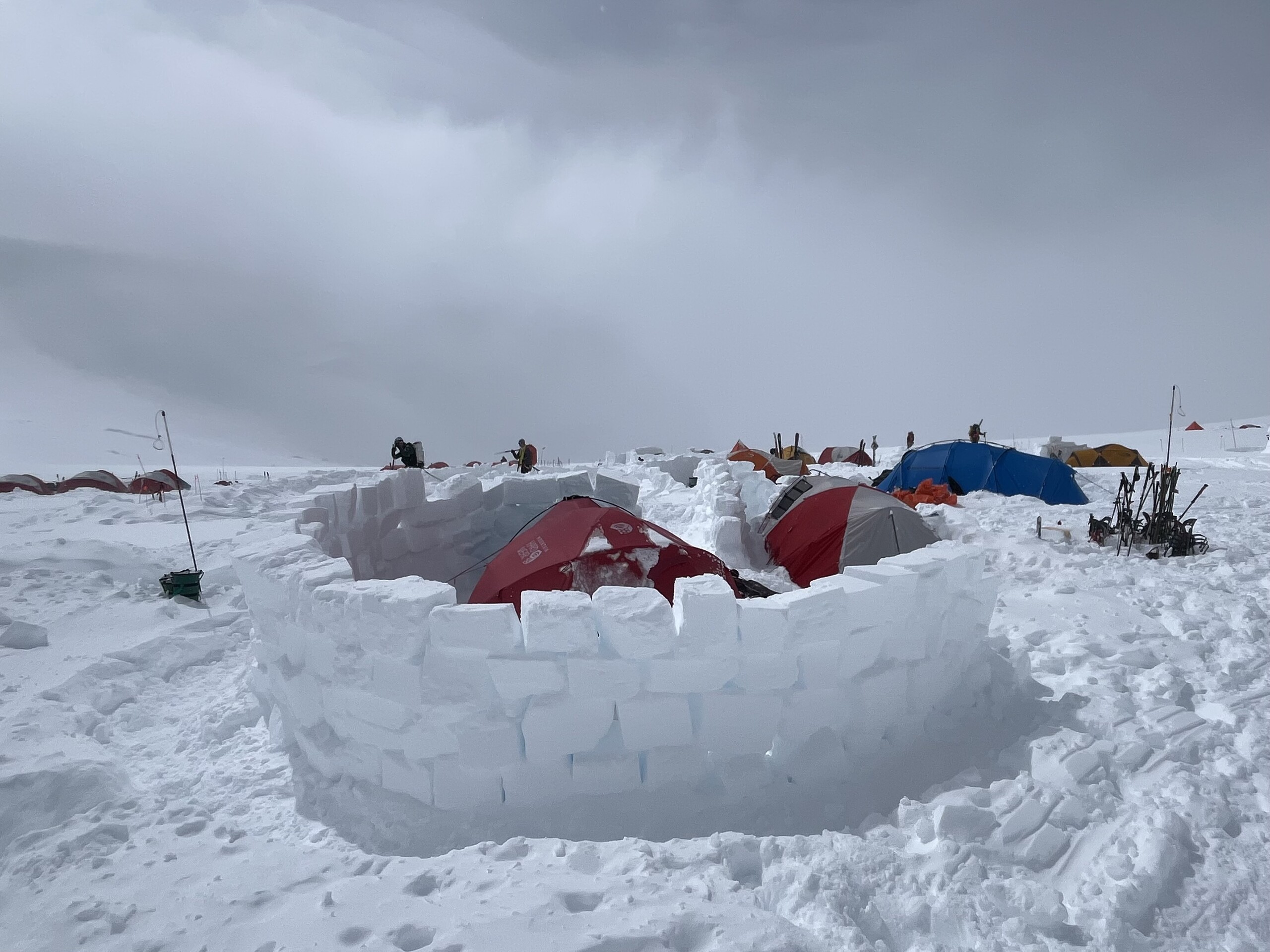
– Sitting at camp, I realized just how small the mountaineering world really is. Each night, climbers from other parties would stop by our tent. I got to meet pro climbers from Patagonia and The North Face, people who had set “First Known Ascents” on routes in the area, and others who were pushing the boundaries of new lines on the mountain even as we sat there.
The challenge of Denali can be summed up by one observation. One of our guides had been on the mountain more than seven times across four seasons and had summited only once based on poor weather. Hearing that made me appreciate our 37 miles of hiking and 30,000′ of climbing all the more, and it brought real meaning to the time we spent on “The Great One.”