
Conservation Isn’t Just for the Birds
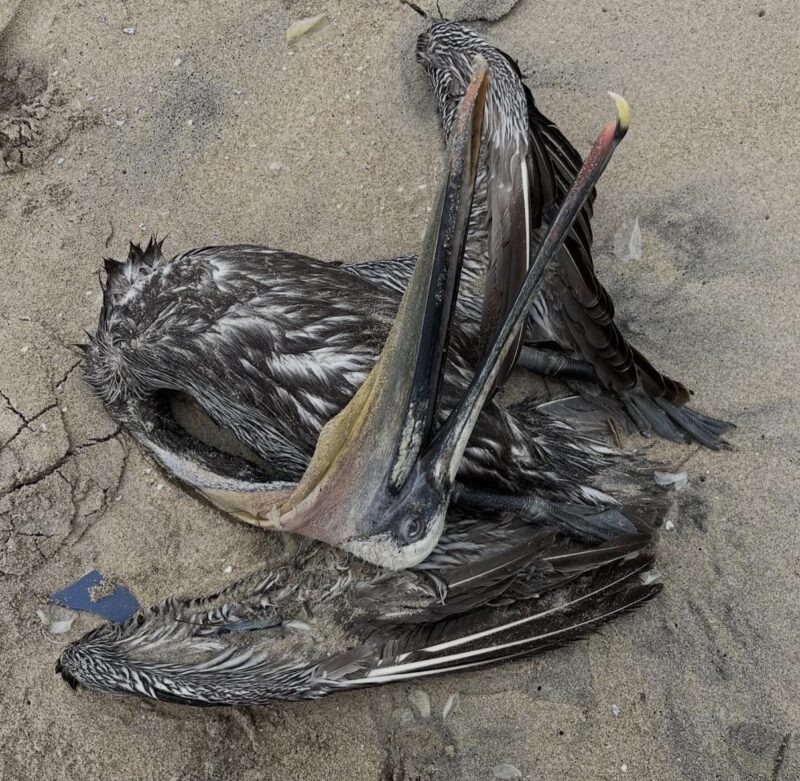
The Tijuana River sewage crisis is a physical display of how environmental degradation, inadequate infrastructure, and political inaction can create disproportionate ecological and public health burdens for both human and non-human communities. Through the lenses of systems ecology and environmental justice, we emphasize the necessity of restoring the Tijuana River Estuary in Imperial Beach. With binational infrastructure investment, stronger political cooperation, and continued civic engagement, we can protect one of California’s most important coastal ecosystems. Throughout my many section hikes of California’s coastline, few locations were in as much ecological distress as the Tijuana River Estuary in Imperial Beach. During the first leg of my California Coastal Trek, I walked through the southernmost section of San Diego County along the border of Mexico, where I witnessed firsthand the environmental consequences resulting from decades of untreated sewage. This biohazard enters the United States from the Tijuana River watershed. In the air was the persistent odor of human waste; deceased animals were visible along portions of the shoreline, and local residents were struggling with beach closures and health concerns. What initially appeared to be a localized pollution issue revealed itself to be a very complex environmental crisis involving ecology, economics, public health, infrastructure, and international politics. The Tijuana River watershed spans approximately 1,750 square miles across both Mexico and the United States. Rapid urbanization in Tijuana has overwhelmed wastewater infrastructure, causing millions of gallons of untreated sewage and contaminated runoff to flow into the Tijuana River, estuary, and Pacific Ocean. The impacts extend far beyond water quality, affecting wildlife, tourism, public health, and community identity. Understanding this issue requires examining both the ecological systems involved and the unequal distribution of the environmental and anthropogenic hazards that affect local populations.
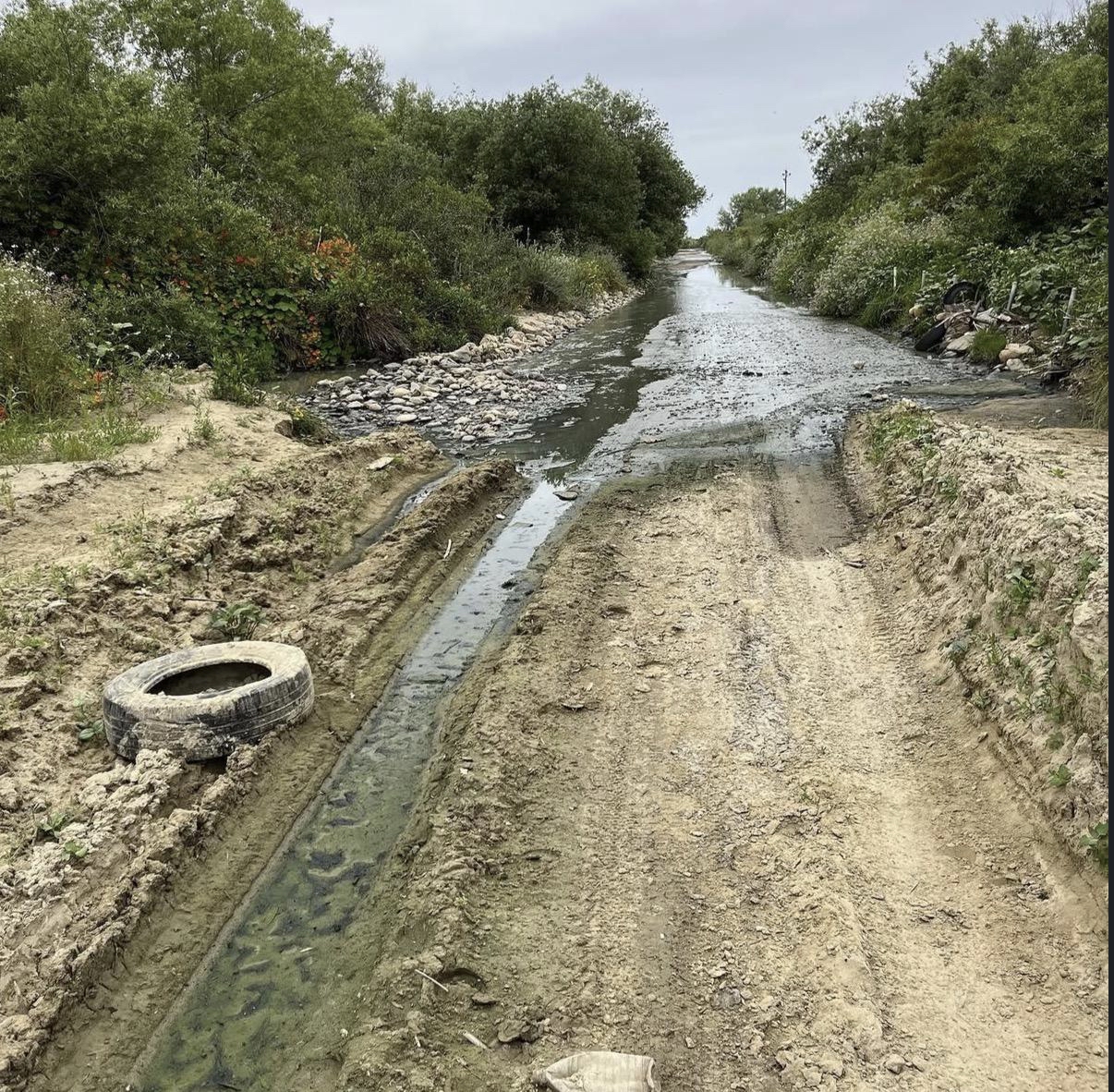
The primary frameworks I used to investigate this issue were systems ecology and environmental justice. As stated previously, systems ecology emphasizes the interconnected relationships between mechanisms of human and natural systems. The Tijuana River sewage crisis is not able to be understood by examining only one factor. Population growth in Tijuana, wastewater treatment capacity, estuarine ecology, ocean currents, coastal wildlife, public health, and economic activity are all components of this perfect storm. One of the main roles that an estuary functions as is a natural filtration system, but when pollution flows into this system and exceeds its capacity, the entire ecological network becomes stressed. Nutrient overloads contribute to eutrophication, bacterial contamination harms marine organisms, and pollutants spread northward given the longshore current of this geographical space. Environmental justice provides another important lens for understanding the variables of this complicated equation. Imperial Beach is among the lower-income coastal communities in San Diego County. Yet, its residents experience disproportionate exposure to pollution generated elsewhere. These residents endure foul odors, beach closures, respiratory concerns, and economic losses despite having limited influence over the source of the contamination. This reality reflects a much broader environmental justice concern in which vulnerable communities often bear the costs of environmental degradation. To make matters less favorable, their economic disposition leaves these residents to fight this battle while possessing relatively little political power, time, or resources to address the issue. My own assumptions about the crisis certainly changed during the research. While I had boots on the ground, I viewed the problem primarily as a failure of local governments to act. While the local and national governmental inaction remains a significant concern, I discovered that the situation is more complicated than I had anticipated. Multiple agencies on both sides of the border share this societal burden, with infrastructure projects requiring extensive funding, and political turnover frequently delaying any actionable long-term solutions. Recognizing this complexity does not excuse the crisis, but it does demonstrate why meaningful solutions have been difficult to implement.
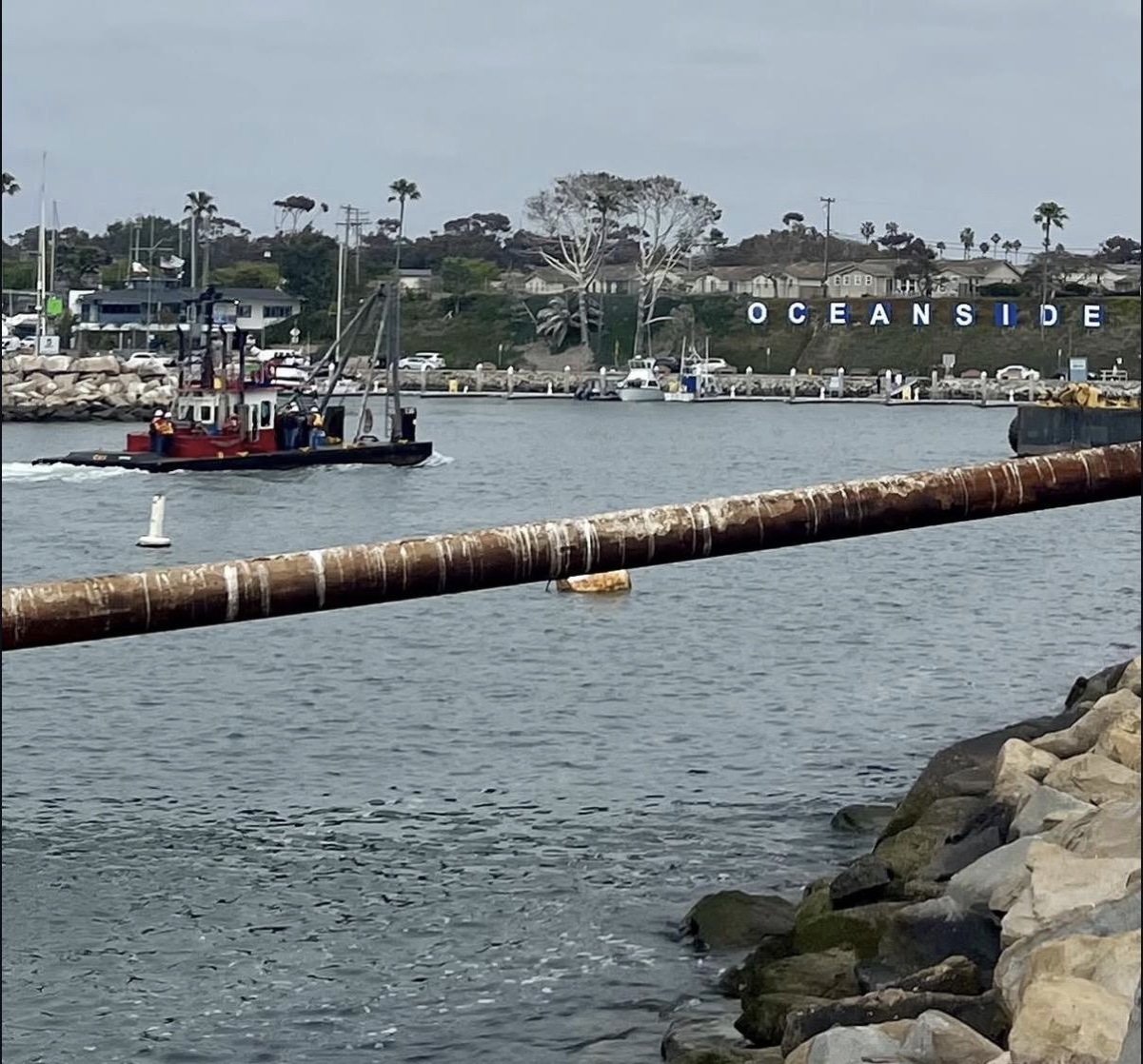
The Tijuana River Estuary is one of Southern California’s most ecologically significant habitats. It contains salt marshes, mudflats, dunes, and coastal sage scrub communities that support hundreds of species of birds, fish, reptiles, and plants. The estuary also serves as a crucial stop to the millions of birds along the Pacific Flyway, which is one of North America’s major migratory bird routes. When I visited the area, I observed numerous native plant species and coastal wildlife. However, I also encountered evidence of ecological stress in every direction, in the form of deceased animals peppering the shoreline and the extensive presence of invasive vegetation. These observations reinforced the reality that environmental contamination affects entire ecosystems rather than isolated species. The influx of untreated sewage introduces excessive nutrients, pathogens, and contaminants into this region. With elevated nutrient concentrations, it promotes algal growth, which results in a general reduction in oxygen availability for these aquatic systems. This exchange of suffering trickles into downward spirals of atrophy and decay. Pathogens go further to threaten wildlife and create unsafe conditions for human recreation. It’s easy to see how the estuary’s role as a natural filter becomes compromised when pollutant loads exceed ecological thresholds. The consequences of this engineering failure extend beyond the estuary itself. Longshore ocean currents transport these toxic contaminants northward along the California coast, affecting water quality in areas well beyond Imperial Beach. Scientific studies have even detected evidence of sewage-related contaminants in coastal aerosols, demonstrating that the impacts are not limited to the water alone.
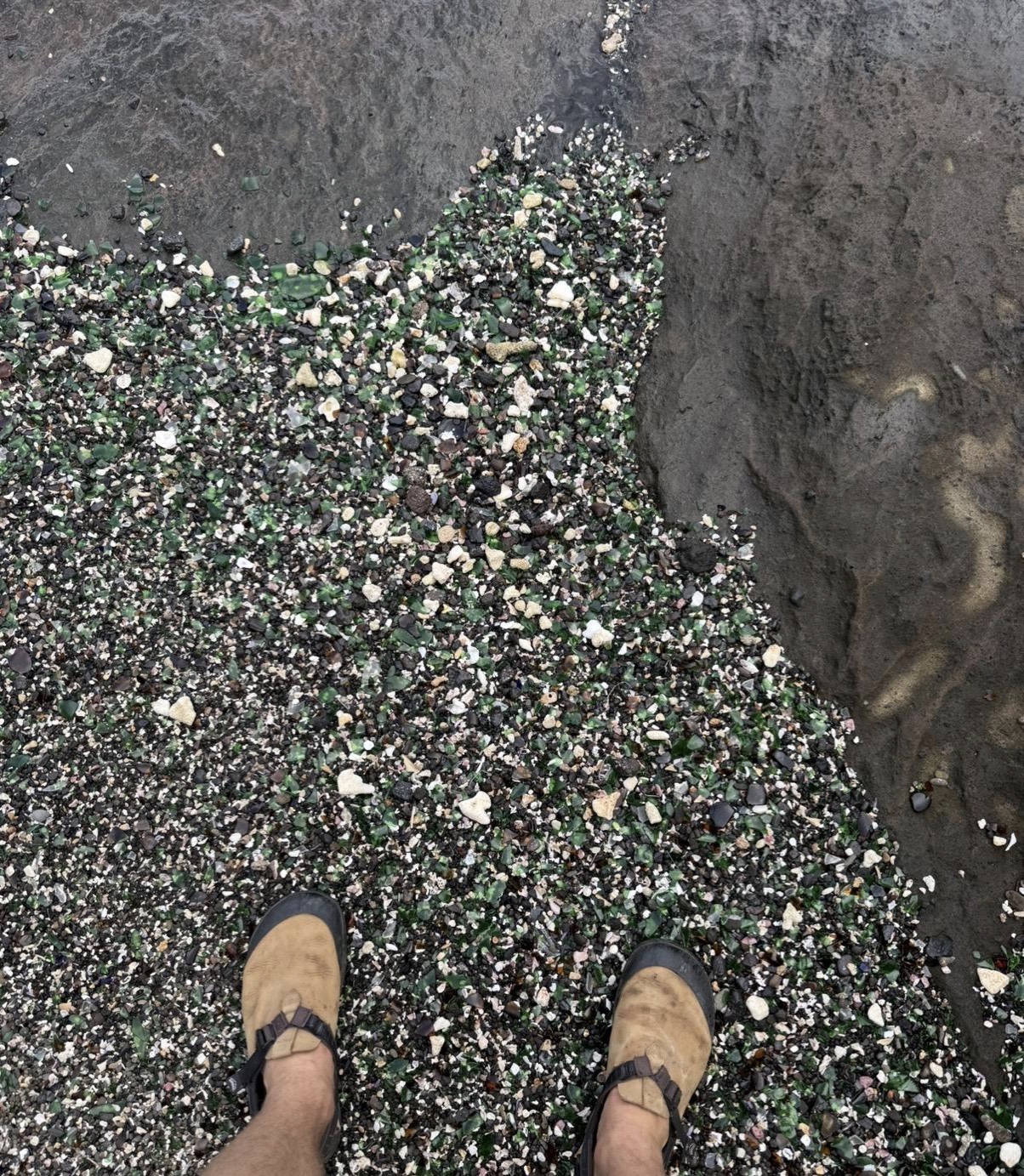
Since the emergence of the sewage crisis, it has transformed Imperial Beach from a celebrated surf destination into a symbol of environmental neglect. Historically, this city was known for its strong surfing culture, coastal recreation, and connection to the ocean. Today, frequent beach closures have undermined these traditions and replaced this elixir of joy and connection with a state of despair and tension. Many residents report frustration, concern, and feelings of abandonment. During my research, I encountered numerous examples of community activism within the area, such as “Stop the Stink” campaigns that seek to draw attention to the crisis. Local surfers, lifeguards, business owners, and environmental advocates have become some of the most vocal supporters of cleanup efforts. Economically, the impacts on tourism and recreation are significant as they remain important contributors to Imperial Beach’s economy. When beaches remain closed for extended periods, local businesses lose customers and visitors who decide to seek alternative destinations. Recreational fishing and other ocean-based activities also suffer from serious concerns about contamination. The crisis further illustrates how environmental degradation often carries hidden costs to surrounding human populations of an area. Health concerns, reduced property values, lost business opportunities, and ecosystem restoration expenses create long-term economic burdens that far exceed the cost of preventative infrastructure investments. One nonprofit organization actively addressing this issue is the Surfrider Foundation. Surfrider conducts water quality monitoring, advocates for policy reforms, organizes public awareness campaigns, and pressures government agencies to prioritize solutions. After learning more regarding Surfrider’s role in this particular case, it gave me a lot of faith. The organization has played a major role in educating the public about contamination events and mobilizing community support for infrastructure funding. However, even though they are likely stretched thin, Surfrider could strengthen its efforts by expanding partnerships with community organizations in Mexico and increasing bilingual educational outreach. Because the watershed spans two nations, successful advocacy requires greater engagement across the entire basin. Barriers of translation should not get in the way of solving a problem that we all participants (human and non-human) of the area seek to reform. Another nonprofit involved in the region is Wildcoast, which focuses on coastal conservation, habitat protection, and public education. Local groups such as Citizens for Coastal Conservancy have also contributed through community monitoring, environmental testing, and awareness campaigns. For the for-profit corporation component, Apple provides an example of a corporation that publicly promotes sustainability and environmental stewardship through renewable energy investments, water conservation initiatives, and environmental responsibility programs. While these efforts are valuable, corporations with significant economic influence could do more by directly supporting watershed restoration projects and environmental justice initiatives. Even if just for the positive PR, making conservation trendy and attractive to consumers should be a primary objective of media teams that promote the idea that their company cares for the environment. This is an area where creating incentives such as tax writeoffs may be a smart approach. Large corporations often possess financial resources that could substantially accelerate environmental recovery efforts through partnerships, grants, and infrastructure investments.
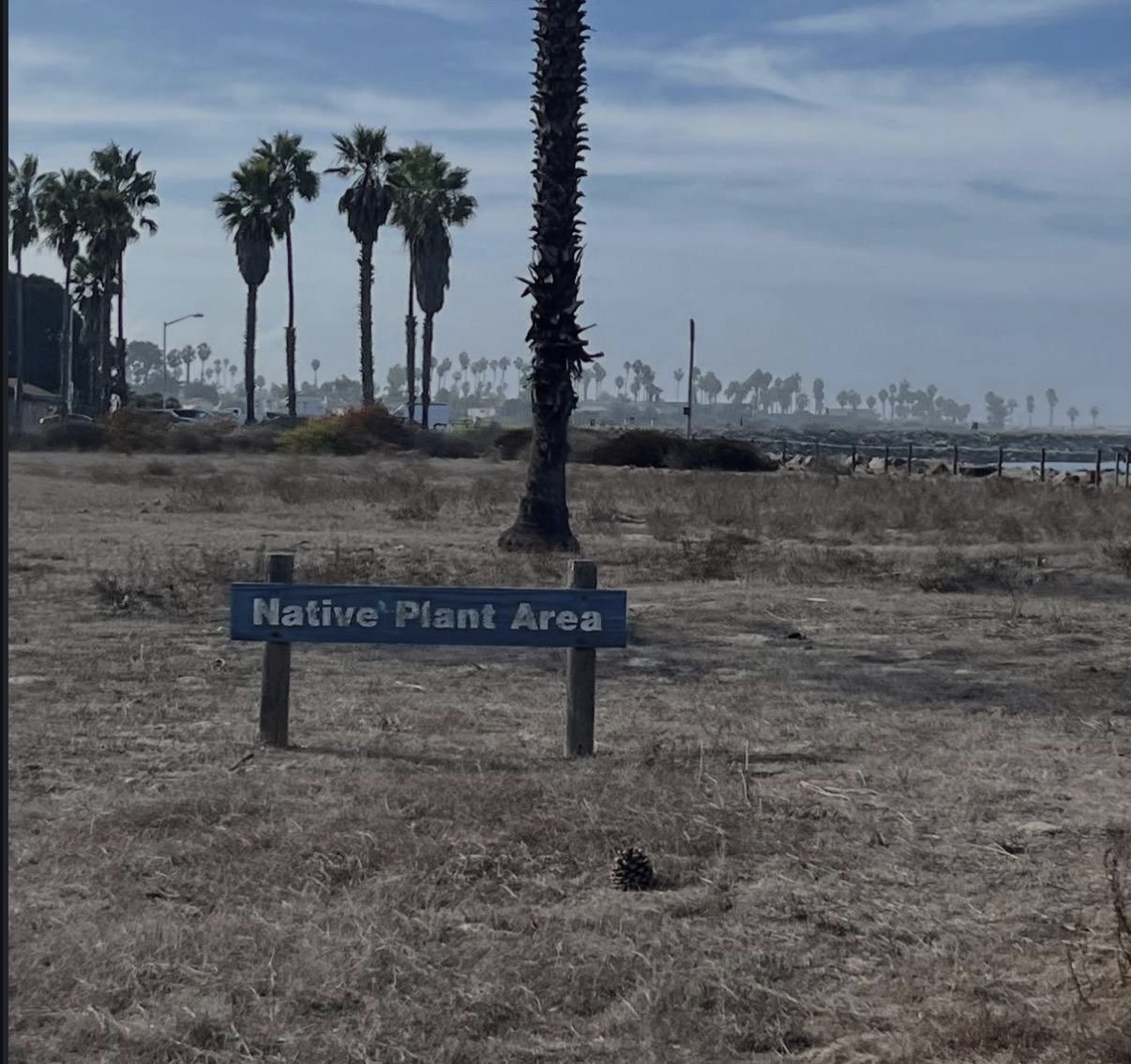
I found it hard to believe that several efforts are currently underway to address the sewage crisis after reflecting on my experience, but aid is in the process. The Environmental Protection Agency, the International Boundary and Water Commission, state agencies, and local governments have all participated in wastewater treatment upgrades and infrastructure planning. Additional funding has been proposed for improvements to the South Bay International Wastewater Treatment Plant and related facilities. Despite these efforts, progress has been slow relative to the enormous scale of the problem. More comprehensive solutions should include expanded treatment capacity, modernization of aging infrastructure, real-time water quality monitoring, and stronger binational coordination efforts. Long-term planning must recognize that continued population growth within the watershed will place increasing demands on the pre-existing systems, so it would appear that ecological restoration should also remain a priority. Considering that habitat rehabilitation, invasive species management, dune restoration, and wetland conservation have all been proven to strengthen the estuary’s ability to recover from future stressors, this is where funding for this issue should be emphasized. These living systems, once freed from the excessive abuse, will soon heal themselves and begin to produce and promote examples and ideas of a more beautiful world that we all feel we have the capacity to create. Perhaps most importantly, environmental decision-making should include the voices of local communities, as those who experience the consequences of contamination every day deserve meaningful participation in discussions regarding the future of their coastline.
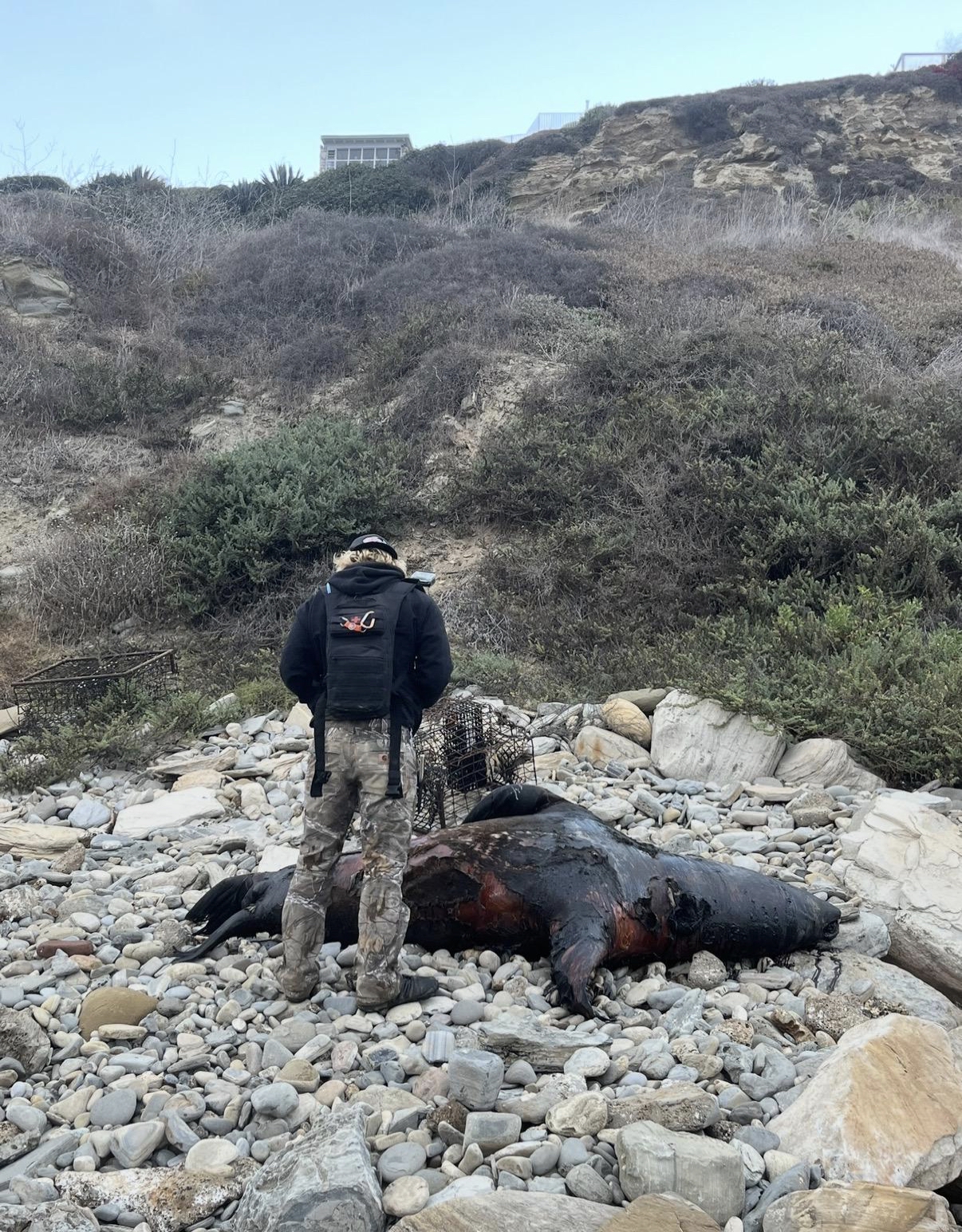
My personal environmental ethic is rooted in direct observation and engagement with the natural world. Making my way through the Tijuana River Estuary and sections of Imperial Beach allowed me to witness some of the most difficult examples of environmental degradation that I’ve experienced onmy journey As a result, it’s been a catalyst that pushes me to continue documenting environmental conditions through photography, citizen science platforms such as iNaturalist, and educational storytelling through my California Coastal Trek project on Instagram. I also intend to participate in coastal cleanup events and support more organizations that are working toward water quality improvements as well as habitat restoration. It’s become clear that environmental problems of this scale cannot be solved solely through individual lifestyle choices. By supporting science-based policy and communicating and lobbying for change within groups and elected representatives, we can encourage public awareness. My experience trekking through the affected region transformed this topic from just being another news story into a real personal concern. Witnessing the impacts of what I perceived to be governmental negligence and getting to talk with locals firsthand reinforced the importance of environmental protection for these spaces and highlighted the value of community advocacy. Successful protection of the Tijuana River Estuary is not only an environmental necessity but also an opportunity for the US to serve as a conservation model for how communities and governments can work together to restore and preserve a vital coastal ecosystem for the future generations of human and nonhumans.

Photo Credit: All images in this article were taken by Charles Cole
These photos are a response to the framework of environmental ethics. This collection of images that I’ve taken serves to strike the guttural drive within each of us to better steward the local environment that has given so much to us. The objective of those images is to allow viewers to see photos that objectively display unfair treatment and abuse of our Earth.
Sources cited:
International Boundary and Water Commission. “Tijuana River Updates – San Diego, CA.” International Boundary and Water Commission, United States Section, https://ibwc.azurewebsites.net/tijuana-river-updates-san-diego-ca/. Accessed 3 June 2026.
“Tijuana River Sewage Crisis.” ArcGIS StoryMaps, https://storymaps.arcgis.com/stories/1ee5968337994b0da4f51181aa83bd51. Accessed 3 June 2026.
Pendergraft, M. A., et al. “Bacterial and Chemical Evidence of Coastal Water Pollution from the Tijuana River in Sea Spray Aerosol.”
Bio:
Charles Cole is an undergraduate geography student at the University of Hawaii at Manoa. Outside of classes, he enjoys analyzing systems, typically realized in the form of spearfishing, backpacking, surfing, and exploring coastlines. During Dr. Betsy Fisher’s course “Human Values and the Environment,” he was encouraged to examine an area of environmental concern. As an advocate for public access and conservation, he used the opportunity to more deeply understand an area of coastline that continues to stay on his mind.
Additional related links from author:
Instagram Page: Coastal Trek Project
Tijuana Rivermouth Prose: Poem by Charles Cole