
Biodiversity Loss and Its Social and Cultural Effects
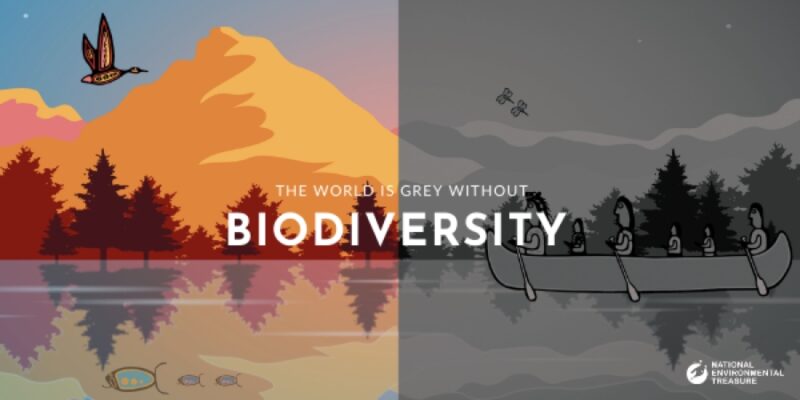
Biodiversity encompasses the variety of life on Earth, including species, genetic variation, and ecosystems. It is categorized into three levels: “species diversity” (the number of different species), “genetic diversity” (the genetic variations within a species), and “ecosystem diversity” (the variety of ecosystems and their interactions). Biodiversity is crucial for the health and balance of ecosystems, enhancing productivity and resilience to environmental changes. With the inclusion of essential services like pollination, water purification, and nutrient cycling. For human societies, biodiversity supports food security, health, and cultural identity, especially for communities that depend on local ecosystems for their livelihoods. Biodiversity is currently being overwhelmed by human activities, including habitat destruction, climate change, pollution, and the overexploitation of resources. This leads to species extinction rates significantly higher than natural background rates, affecting both terrestrial and aquatic ecosystems. This loss has profound impacts, diminishing ecosystem resilience and resources available to all organisms. Biodiversity loss significantly impacts social structures and cultural practices, affecting communities’ relationships with their environments. As species decline, many communities, particularly indigenous peoples, face threats to their cultural identities and traditional knowledge. The degradation of natural resources leads to socioeconomic instability, exacerbating poverty and food insecurity. Therefore, preserving biodiversity is essential for sustaining the global community’s well-being and cultural integrity within the frameworks of deep ecology and ecofeminism.
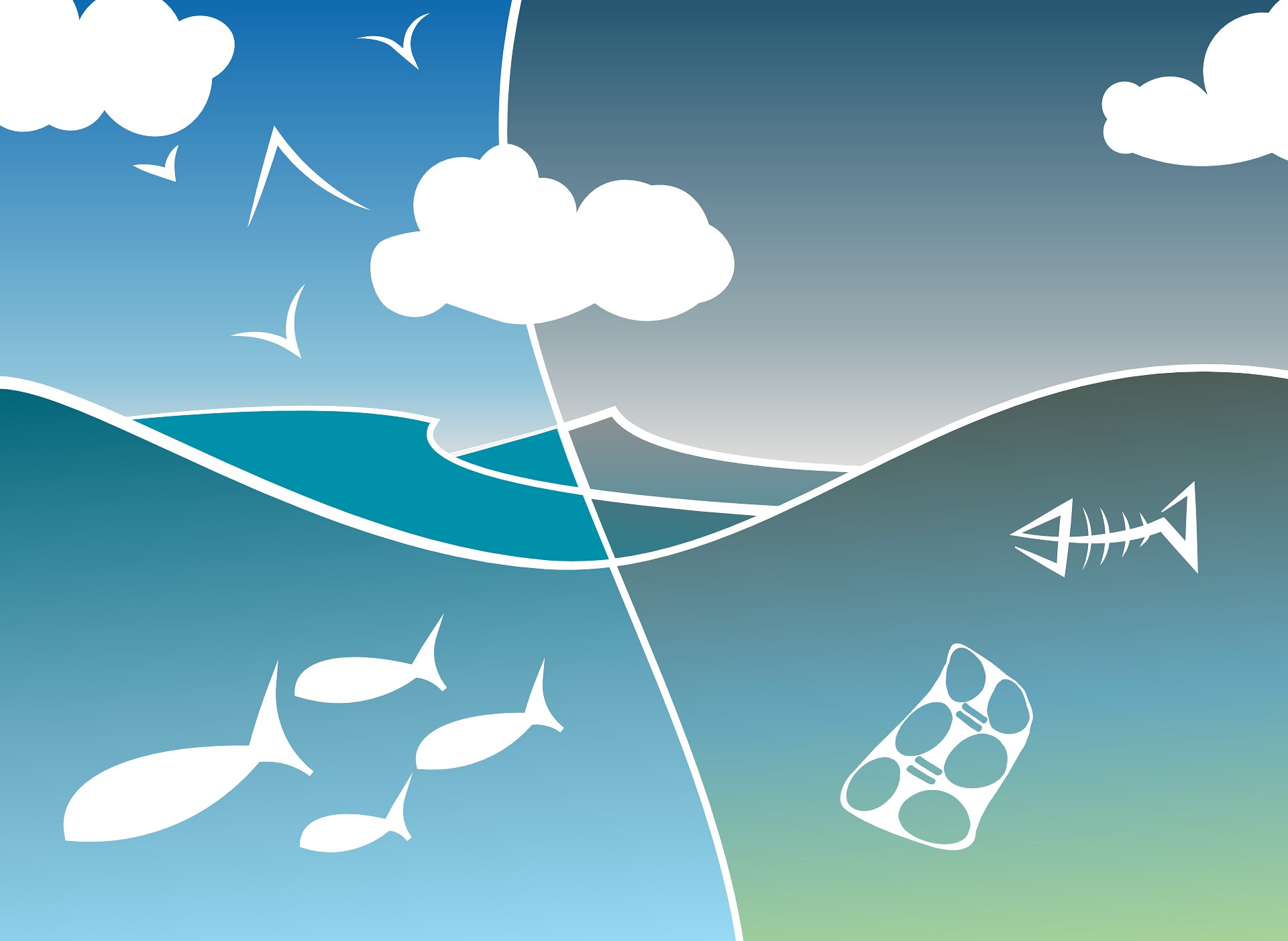
Climate change is a significant driver of biodiversity loss, affecting species distribution, habitat availability, and life cycles. According to the Intergovernmental Panel on Climate Change (IPCC, 2021), rising temperatures and changing precipitation patterns can lead to habitat degradation and increased stress on ecosystems. Species that cannot adapt quickly to these changes may face extinction. Overexploitation refers to the unsustainable use of natural resources, including overfishing, hunting, and logging. The World Wildlife Fund (WWF, 2020) reports that overfishing alone has led to significant declines in numerous fish populations, altering marine ecosystems and threatening food security for millions who rely on seafood. The introduction of non-native species into ecosystems can disrupt local biodiversity. Invasive species often outcompete native species for resources, leading to declines or extinctions. The National Invasive Species Information Center (USDA, 2022) emphasizes that invasive species are responsible for about 42% of the known extinctions of native species in the U.S. alone.
Current estimates indicate that species extinction rates are alarmingly high, with the United Nations (2020) reporting that over 1 million species are at risk of extinction within the next few decades, primarily due to human activities. This rate is believed to be around 100 to 1,000 times the natural background rate of extinction. The Living Planet Report (WWF, 2020) highlights that populations of vertebrate species have declined by an average of 68% since 1970. This dramatic decrease is indicative of broader ecological dysfunction and underscores the urgent need for conservation efforts worldwide. Biodiversity hotspots are regions rich in endemic species that are also significantly threatened by human activity. Myers et al. (2000) identified 34 biodiversity hotspots, emphasizing that these areas support a large proportion of the Earth’s biodiversity. Conservation efforts focused on these regions can yield significant benefits for overall global biodiversity, as conserving these hotspots can help protect many threatened species.
Biodiversity plays a critical role in the development of medicines and medical treatments. Many pharmaceutical drugs are derived from plant and animal species, highlighting the importance of maintaining diverse ecosystems for ongoing medical innovation (Gaard, 2015). The loss of biodiversity can limit the potential for discovering new medical compounds and therapies, adversely affecting human health outcomes. Ecosystems provide vital services such as clean air, water, and pollination of food crops, all of which are essential for human health. The degradation of biodiversity can lead to a decline in these services, thereby increasing the prevalence of health issues related to food insecurity and environmental pollution (Rocheleau, 1995). For example, diminishing pollinator populations can directly impact agricultural yields, contributing to nutritional deficiencies in communities. While also threatening the people and their culture, which is intertwined with their agricultural practices. These local farmers and ranchers rely heavily on natural processes, including ecosystem biodiversity, and regular seasonal rotation for crop success. Unlike their commercial competitors, who bend nature to fit their demands of the global market, local and indigenous farmers work with the natural world to feed themselves and protect the land on which they sew their livelihoods.

Many communities around the world rely on natural resources for their livelihoods, such as fishing, forestry, and ecotourism. The loss of biodiversity can severely impact these sectors, reducing income and employment opportunities for individuals reliant on these industries (Gaard, 2015). As biodiversity diminishes, so too do the economic benefits derived from sustainable practices, leading to greater poverty among vulnerable populations. Biodiversity is integral to sustainable agriculture, contributing to the resilience of food systems. As diverse species are lost, the genetic variability necessary for crop resilience diminishes, making food supplies more vulnerable to pests, diseases, and climate change (Rocheleau, 1995). This can lead to increased food insecurity, particularly in developing regions where populations depend heavily on local agricultural practices.
The loss of biodiversity often results in habitat destruction, which can forcibly displace communities that depend on these ecosystems for survival. Indigenous and rural populations are particularly vulnerable, as they often have deep connections to their local environments (Gaard, 2015). The loss of biodiversity can thus uproot traditional lifestyles and cultural practices tied to these ecosystems. As ecosystems degrade and species vanish, communities are increasingly forced to migrate in search of sustainable livelihoods. This movement can create climate refugees, individuals and families displaced by environmental changes driven by biodiversity loss and climate change. These migrations can lead to social tensions in receiving areas and can create a cycle of vulnerability and instability (Rocheleau, 1995). The loss of biodiversity has far-reaching social implications, affecting health, economic stability, and community cohesion, highlighting the urgent need for conservation efforts that prioritize both ecological integrity and human well-being.

Photo Credit: Hannah N Hayes
Indigenous cultures have long maintained a deep-rooted connection to their local ecosystems, which is intricately tied to the biodiversity surrounding them. As highlighted by Nations (1988), the understanding of local flora and fauna is essential for the survival of these communities, not only for subsistence but also for cultural expression. Traditional ecological knowledge (TEK) encompasses practices and beliefs that have developed over generations, informing how these groups interact with, manage, and conserve their natural resources. The loss of species and habitats directly threatens this knowledge system, leading to a disconnection from cultural identities and practices that rely heavily on biodiversity, as explored by Petrokas et al. (2022).
Biodiversity shapes cultural identities by providing the resources needed to form traditions, rituals, and shared values. Certain species or ecosystems hold significant spiritual meanings and are often considered sacred in various cultures. The aesthetics associated with biodiversity, such as the beauty of a richly diverse forest or the harmony of a well-preserved river ecosystem, contribute to a community’s sense of place and identity. Kopnina (2012) notes that as biodiversity declines, these cultural landscapes may fade into memory, taking with them the rich tapestry of stories, practices, and connections that strengthen community identity.
Changes in cultural landscapes affect a community and the continuation of traditions. Specific species and ecosystems can hold profound cultural significance, acting as symbols of local heritage. For instance, the loss of keystone species can disrupt not only ecological balance but also cultural narratives that celebrate those creatures. Petrokas et al. (2022) emphasize that European Hemiboreal forests, rich in unique species, are woven into the cultural fabric of the communities that rely on them for sustenance and identity. The disappearance of these forests and their inhabitants can erase unique cultural practices and knowledge systems essential to community and environmental cohesion.
The degradation of biodiversity leads to a transformation in cultural landscapes, with profound implications for aesthetic and spiritual values. Families and communities often derive a sense of belonging and well-being from their natural surroundings. As ecosystems deteriorate, the aesthetic enjoyment derived from the diverse forms and colors of nature diminishes, impacting emotional and spiritual well-being. Kopnina (2012) argues that this loss diminishes individuals’ and communities’ connection to the environment, affecting how they relate to their land. Maintaining diverse ecosystems is not only crucial for ecological health but also for preserving the cultural narratives and spiritual connections that nourish communities’ souls.
Empowering local communities to take charge of conservation efforts is crucial for sustainable environmental management. Training and resources provided to these communities can significantly enhance their ability to protect their natural surroundings. Historically, Indigenous peoples have played a vital role in managing their lands sustainably, drawing on their deep-rooted knowledge of local ecosystems. According to a study by Davis and Slobodkin (2004), Indigenous land management practices often yield biodiversity conservation benefits that surpass those of conventional approaches. Supporting Indigenous communities not only preserves their cultural heritage but also validates their authority in environmental stewardship (Berkes, 2012).
Photo Credit: Hannah N Hayes
Developing sustainable livelihoods that are in cohesion with the natural world is another effective strategy. Ecotourism and organic farming are prime examples of how economic opportunities can coexist with environmental protection. The World Tourism Organization (2018) posits that ecotourism can generate substantial revenue while promoting conservation and awareness of natural resources. In the case of organic farming, research by Pretty (2008) highlights that such practices not only enrich soil health but are also profitable as consumer demand for organic produce rises, thus contributing positively to both the economy and the environment. Facilitating partnerships among local stakeholders, non-governmental organizations, and governments is essential for creating cohesive conservation strategies. Effective collaboration ensures that conservation efforts address both ecological and social dimensions. A report by the International Union for Conservation of Nature (IUCN, 2016) discusses the importance of stakeholder engagement in conservation planning, which can lead to more effective outcomes. These partnerships help to bring together diverse perspectives and resources, fostering a holistic approach to conservation that acknowledges the needs and aspirations of local communities.
Education, especially early education, is essential for equipping generations with the knowledge they need and is the key to turning the tide and developing interactive workshops and seminars tailored to different age groups to raise awareness about biodiversity, its significance, and the interconnectedness of local ecosystems. These sessions can include hands-on activities, such as identifying local flora and fauna, creating eco-friendly crafts, and understanding the impacts of pollution and climate change on biodiversity. Partnership with local schools to integrate biodiversity education into their curriculum can involve field trips to natural reserves, projects that encourage students to observe and document local wildlife, and initiatives that promote sustainability practices in schools. Another way is hosting annual events, such as biodiversity festivals, where community members can showcase their knowledge and love of local ecosystems through art, food, and performances. These events can feature local conservation organizations, environmental speakers, and interactive exhibits that engage participants of all ages. Encouraging community involvement in citizen science projects allows locals to contribute to research while learning about biodiversity. Participants can engage in a variety of activities during their hikes, such as monitoring bird populations, participating in wildlife surveys, or assisting with data collection on local plant species. Also, establishing programs that allow community groups to adopt local parks or natural reserves, where they can take part in regular clean-up efforts, habitat restoration projects, and biodiversity monitoring activities. This fosters a sense of connectedness and responsibility towards preserving natural spaces. Promoting the establishment of community gardens that focus on native plants and sustainable practices benefits not only local flora and fauna diversity but also soil microbial diversity. These gardens can serve as a practical example of biodiversity, providing habitats for local species and educating community members about the benefits of native plants.
Working with local government, businesses, and NGOs to create a unified approach to biodiversity preservation builds alliances that enhance outreach, pool resources, and ensure initiatives are sustainable and well-supported. An example is the World Wildlife Fund (WWF). This organization focuses on conservation and reducing the human impact on the environment, working to protect endangered species and their habitats. With the development of volunteer opportunities for community members to participate actively in conservation efforts. This can range from restoring habitats, conducting educational sessions, to serving as guides during nature walks or tours.
Utilization of social media platforms and local media channels to spread awareness about biodiversity issues and ongoing community efforts. helps share success stories, upcoming events, and educational content to keep the community engaged and informed. Encouraging local artists to create murals, sculptures, or installations that highlight the importance of local biodiversity fosters the community’s sense of self-reflection within its ecosystem. Additionally, storytelling circles can be organized to share experiences and cultural narratives connected to the natural environment, reinforcing the community’s bond with its local ecosystems.
Indigenous communities possess valuable knowledge on maintaining biodiversity. Incorporating their traditional ecological practices into modern conservation strategies enhances effectiveness and resilience. Engagement with Indigenous communities in the management of natural resources fosters stewardship and respect for their sustainable practices, leading to tailored conservation strategies. Finally, offering educational programs on traditional ecological knowledge helps bridge cultural divides, benefiting both Indigenous and non-Indigenous communities and empowering future generations.

Photo Credit: Hannah N Hayes
Biodiversity loss is not just an environmental issue; it is intrinsically linked to social and cultural dimensions of human life. As ecosystems deteriorate, the resources that communities rely on, such as clean water, food security, and medicinal plants, also dwindle. This loss can disrupt traditional ways of living, erode cultural identities, and lead to social unrest. Many indigenous communities, who have lived in harmony with nature for generations, face existential threats as their environments erode. Therefore, recognizing the multifaceted impacts of biodiversity loss is crucial to understanding the broader implications for society and culture. A healthy and diverse ecosystem supports both ecological balance and cultural heritage, illustrating that we must address conservation with a holistic perspective. The challenge of biodiversity loss requires a united front. Individual actions, while valuable, are insufficient to counteract the scale of environmental degradation we face today. Collective action, whether through local community initiatives, national policies, or global agreements, is essential for creating systemic change. Collaboration can amplify efforts and resources, driving innovative solutions and fostering a sense of shared responsibility. Effective conservation strategies should also prioritize engagement with local communities, recognizing their knowledge and preserving their rights to land and resources. By working together, we can not only combat biodiversity loss but also build resilient ecosystems that support future generations.
Please note: All images in this article without photo credit were found on the web in the public domain.
Resources
– Admin, WA. “World Wildlife Day: A Call to Protect Our Planet’s Biodiversity.” Wildlife Alliance, March 3, 2025. https://www.wildlifealliance.org/world-wildlife-day-protect-planets-biodiversity/?gad_source=1&gad_campaignid=22927244375&gbraid=0AAAAAD3Qdn
– Berkes, F. (2012). Sacred Ecology (3rd ed.). Routledge.
– Davis, M. A., & Slobodkin, L. B. (2004). The science of natural resource management: the role of ecosystem services in managing biodiversity. *Biodiversity and Conservation*, 13(3), 583-601.
– Gaard, G. (2015, March). Ecofeminism and climate change. In Women’s Studies International Forum (Vol. 49, pp. 20-33). Pergamon.
– Intergovernmental Panel on Climate Change (IPCC). (2021). Climate Change 2021: The Physical Science Basis. Cambridge University Press.
– International Union for Conservation of Nature (IUCN). (2016). *Engaging Stakeholders in Conservation Planning*. Retrieved from [IUCN website](https://www.iucn.org/)
Kopnina, H. (2012). The Lorax complex: Deep ecology, ecocentrism and exclusion. Journal of Integrative Environmental Sciences, 9(4), 235–254.
– Metuonu, I. C., & Irivike, F. E. (2025). Deep Ecology and Biodiversity Conservation: The Ethics of Protecting the Web of Life. Faculty of Natural and Applied Sciences Journal of Basic and Environmental Research, 2(3), 10–16.
– Myers, N., Mittermeier, R. A., Mittermeier, C. G., da Fonseca, G. A. B., & Kent, J. (2000). Biodiversity hotspots for conservation priorities. Nature, 403(6772), 853-858.
– National Invasive Species Information Center (USDA). (2022). Invasive Species Overview. Retrieved from https://www.invasivespeciesinfo.gov.
– Nations, J. D. (1988). Deep ecology meets the developing world. Biodiversity, 78-82.
Petrokas, R., Ibanga, D. A., & Manton, M. (2022). Deep Ecology, Biodiversity and Assisted Natural Regeneration of European Hemiboreal Forests. Diversity., 14(10). https://doi.org/10.3390/d14100892
– Pretty, J. (2008). Agricultural sustainability: Concepts, principles and evidence. *Philosophical Transactions of the Royal Society B: Biological Sciences*, 363(1491), 447-465.
– Rocheleau, D. E. (1995). Gender and biodiversity: A feminist political ecology perspective. IDS Bulletin, 26(1), 9-16.
– United Nations (UN). (2020). Global Biodiversity Outlook 5. United Nations Convention on Biological Diversity.
– World Tourism Organization. (2018). “Ecotourism: A Viable Alternative”. Retrieved from [UNWTO website](https://www.unwto.org/)
– World Wildlife Fund (WWF). (2020). Living Planet Report 2020: Biodiversity, Time to reconnect with nature. WWF International.
Bio:
Hannah Hayes is a dedicated UHM student pursuing an interdisciplinary degree
in the Social Science of Oceans. She is currently enrolled in a course titled Human
Values and the Environment, taught by HTMC member Betsy Fisher. With a profound
passion for biodiversity and conservation, Hannah aims to bridge the gap between
society and nature, advocating for initiatives that promote environmental stewardship.
Her commitment to understanding and addressing environmental challenges drives her
future aspirations in the field, where she hopes to influence policy and community
engagement in sustainable practices.