
Honolulu Ranked #1 for Hiking Access in the US: The Bigger Story
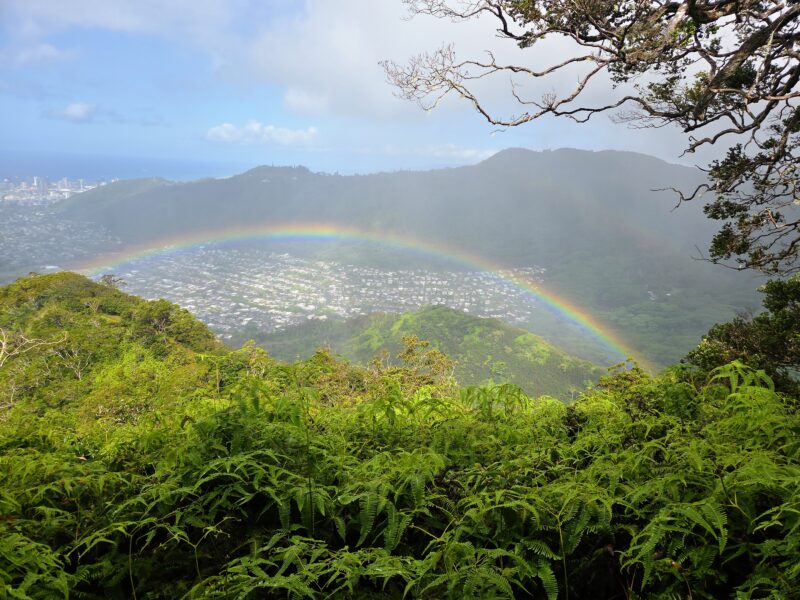
Here’s a fun fact: A 2026 study found that Honolulu ranks highest in the nation for trails per capita. That metric is part of a composite score in WalletHub’s Best and Worst Cities for an Active Lifestyle. Honolulu also ranks highest in the nation for supporting an overall active lifestyle, whether you’re hiking, surfing, swimming, or ping-ponging.
Rankings like these are great to hear about when you come out on top. But if you scratch the surface and look at the data and methodologies, you realize how superficial composite rankings can be. For example, this one includes things like ice-skating rinks per capita and the average bowling ball cost. If Ice Palace suddenly closes and local bowling stores raise prices, Honolulu could slide in next year’s ranking.
Honolulu having the most trails per capita is a statistic worth exploring, because HTMC has a huge role in making that possible. First, here’s some simple math: AllTrails.com lists nearly 250 trails on Oahu and we have about 987,000 residents. That’s a whopping .00025 trails per capita, a metric that doesn’t sound at all meaningful (and it shouldn’t) unless you’re in the business of making composite score comparisons.
The much bigger (and unmeasured) factors are the diversity and quality of hiking trails in our collective backyard. And that’s where Oahu ranks really high, with or without a fancy scoring system. It seems we have three things working in our favor: (1) Geology; (2) History and (3) HTMC.
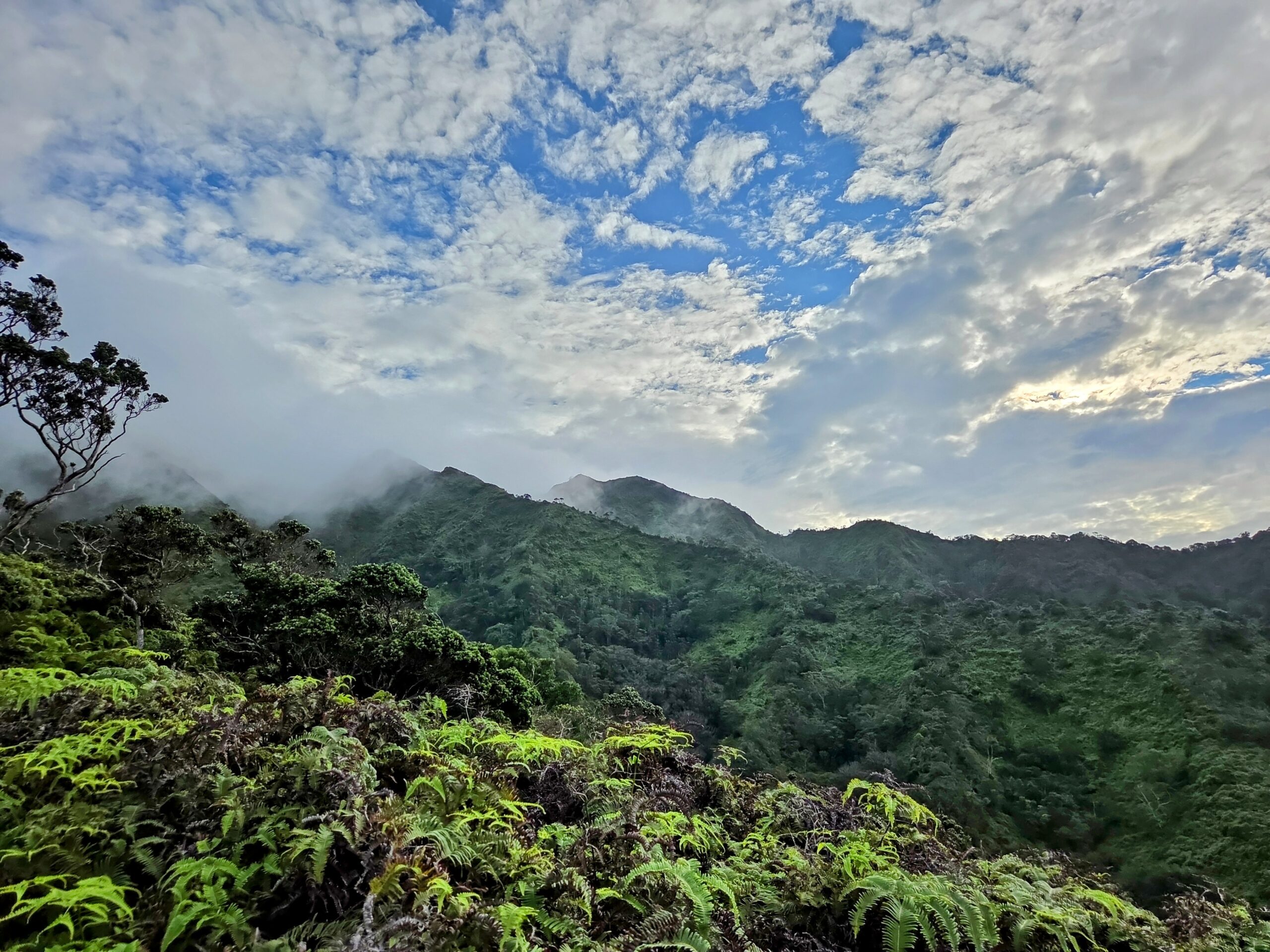
Oahu is geologically younger than Kauai and older than Maui and the Big Island. There are advantages to being a ‘middle child’. In this case, Oahu’s landscape isn’t as steeply eroded as Kauai, nor does it have the shield volcanic landscapes that characterize much of Maui and Hawaii. That translates into a healthy diversity of local trails from steep ridge hikes to broad valley meanderings.
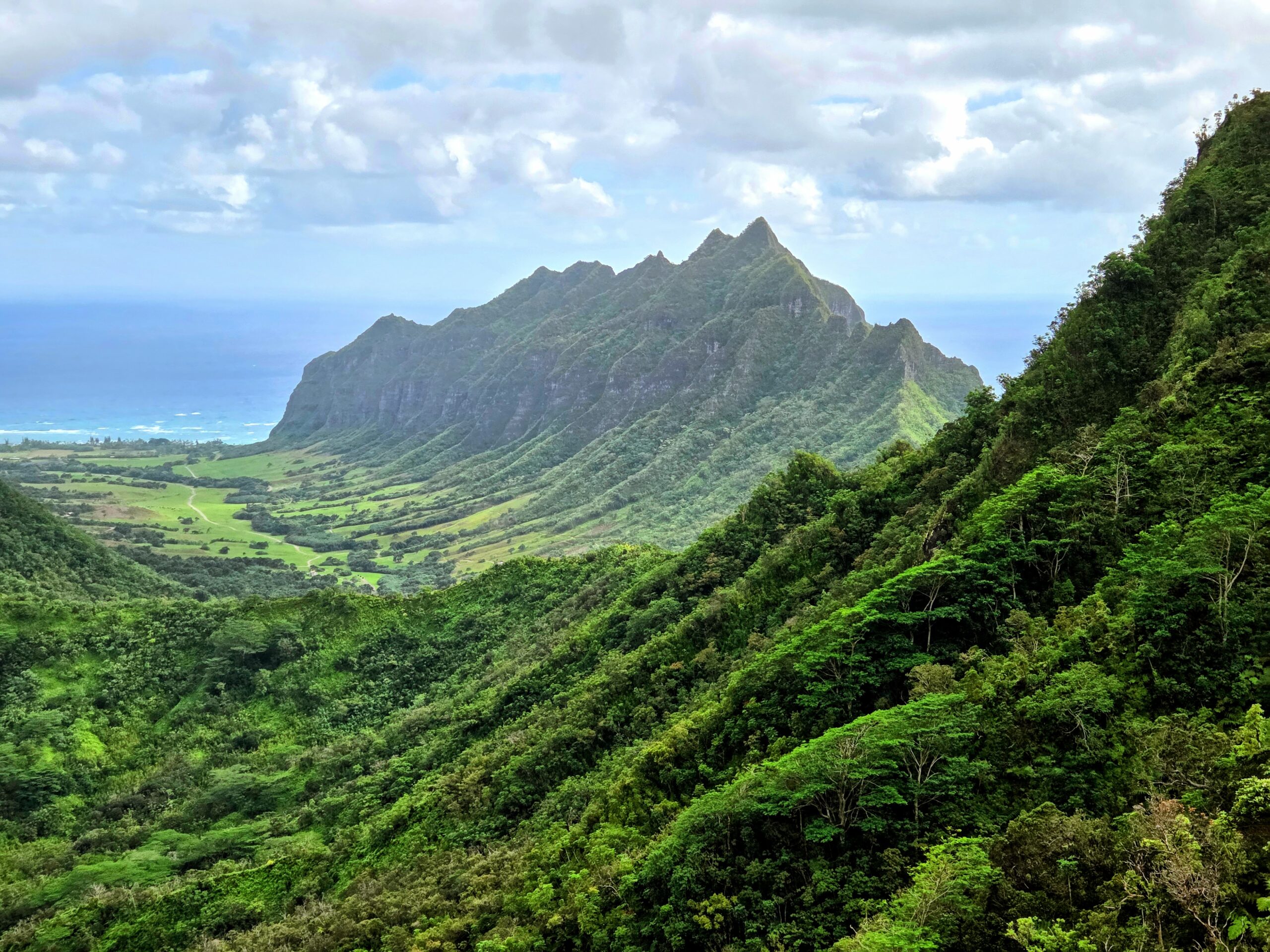
Oahu’s history of trail blazing started with pre-contact Native Hawaiian pathways, followed by plantation era business tycoons using immigrant labor to create irrigation access and recreational trails. The U.S. military established numerous trails to access strategic surveillance points and communications infrastructure, particularly during WWII. Additional trails were created to access utilities infrastructure like drinking water development shafts and electrical transmission lines. And finally, HTMC and others have established new trails over the years. Stuart Ball Jr’s excellent book Native Paths to Volunteer Trails: Hiking and Trail Building on Oahu chronicles these details.
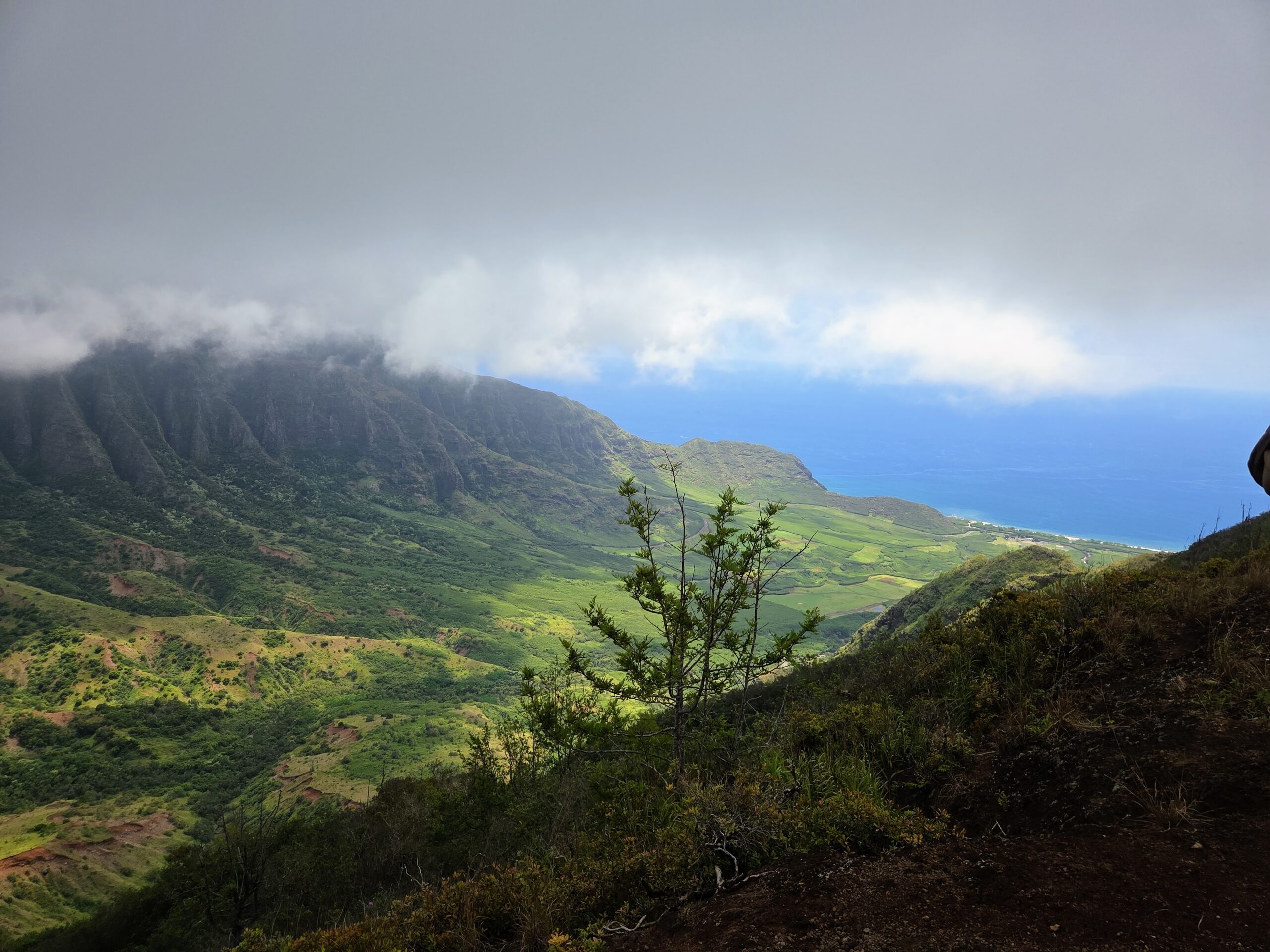
The most significant factor for trail access is the quality of the trails, and this is where HTMC has had immense impacts. Simply put, if people think a trail is unclear, overgrown, or dangerous, most won’t hike it. That means that the number of trails per capita, or trail miles per capita is meaningless if the quality of the trails doesn’t encourage people to hike them.
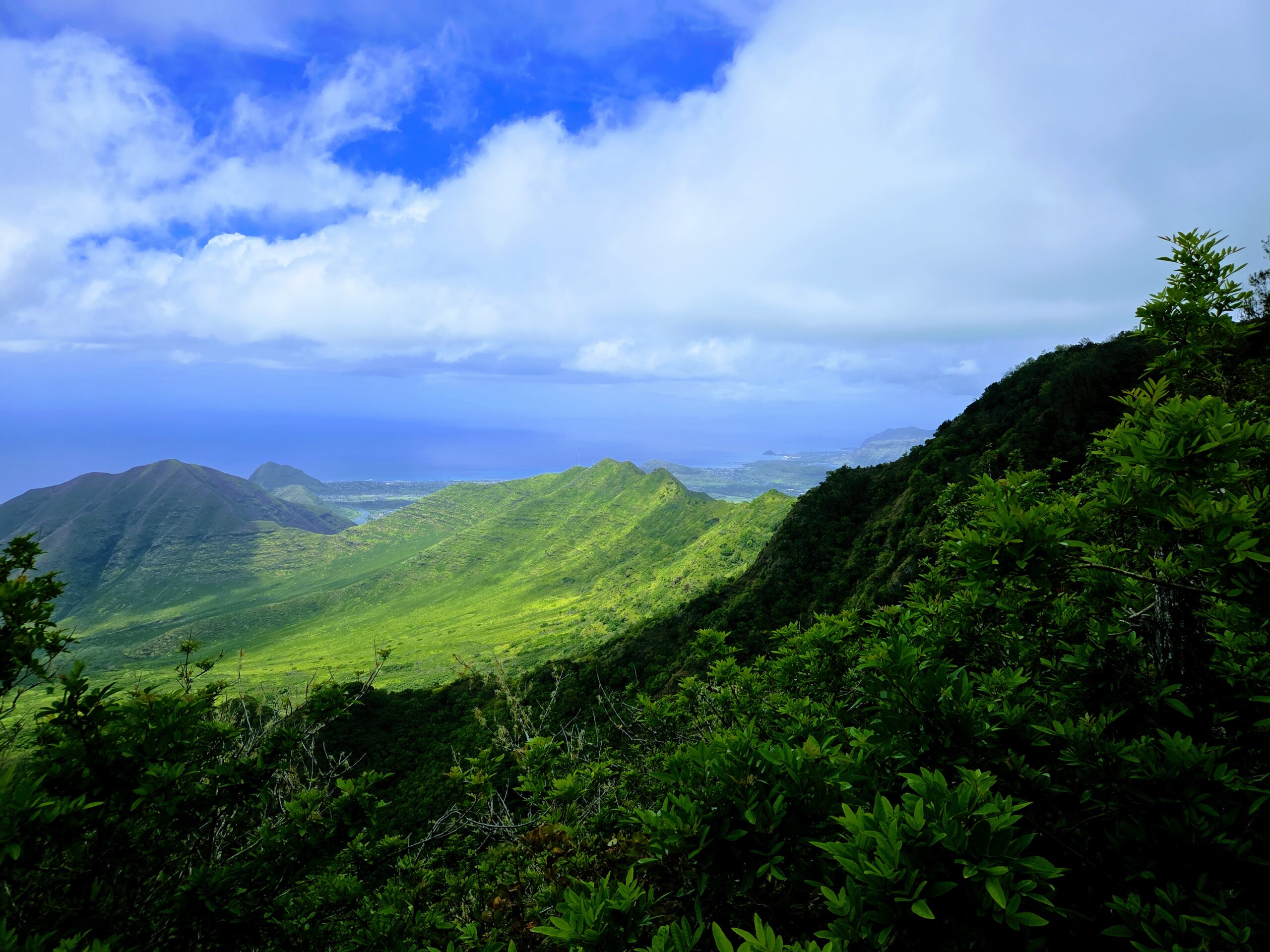
It’s clear to see that HTMC does the most consistent and effective trail maintenance on Oahu, and it’s no secret. Just look at all the online hike reviews that say things like ‘thanks to HTMC for clearing this trail.’ Or stop in at the Uloha store in Kaka’ako and get treated like royalty if they know you’re a HTMC member. Massive thanks go to Thomas Yoza, Kenji Suzuki and June Miyasato and the rest of the hard-core trail clearers who work hard and play hard with a fantastic pau hana afterward. Who knew that trail clearing could be that fun?
Best of all is encountering people hiking a trail that HTMC is clearing and hearing their appreciation. That goes double for parents hiking with young kids, and triple for kupuna. You realize that if we didn’t clear that trail, they might not have hiked it. That would be a big loss with multiplier effects.
That’s when you realize what matters most isn’t rankings. It’s seeing the young, the old, and the in between enjoying what nature gave us and that we helped make accessible.
All photos in this article by Keith Mattson taken along Oahu’s trails.