Hiking in Hawaii with Microspikes: Pros and Cons
Over the years Hawai‘i hikers have debated the pros and cons of wearing microspikes on the trail. Microspikes were originally created for winter weather conditions such as snow and ice. They have become popular with some Hawai‘i hikers. To help inform your decision to purchase and use microspikes while hiking trails in Hawai’i, review some of the pros and cons listed below.
Pros:
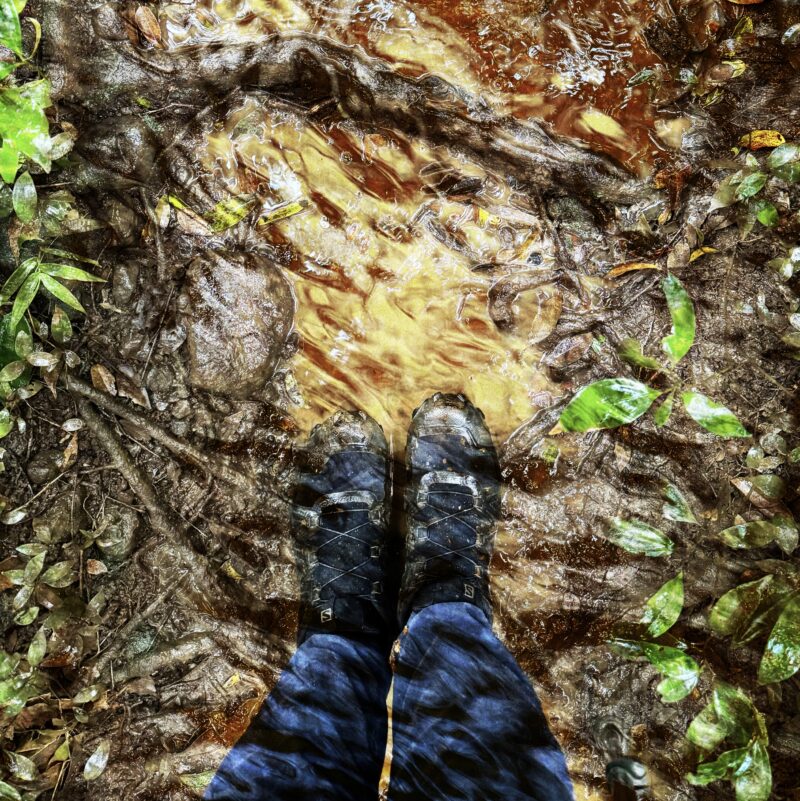
- Safety Feature: Grip. Microspikes increase your ability to grip the trail. They work by digging into the ground and stopping your shoes from sliding.
- Speed. Because your shoes do not slip as much when wearing microspikes, you are able to hike faster no matter the conditions of the trail.
- Energy Saver. Wearing microspikes in slippery conditions allows you to conserve energy that you would otherwise need to spend holding your body back from sliding or gripping your toes with tension.
- Tool Use Safety. Some of the trail maintenance crew wear microspikes at times because tool use is safer when footing is more secure.
- Musculoskeletal. When using microspikes on slippery terrain, some hikers report less leg (specifically ankle and quad) strain.
- Erosion. Microspikes can prevent sliding on trails, thus preventing erosion.
Cons:
- Environmental impact. Some sources report microspikes can damage the trail. They can damage plant roots along the trail and mark rocks with scratch lines.
- Musculoskeletal. Microspike wearers sometimes need to change the way they walk. If feet are too close together, the spikes can catch on each other, or on loops that may be attached to hiking pants or shoes. To avoid this, some hikers feel it safer to walk with only one spike. However, this makes one leg basically longer than the other, which in the long term can lead to orthopedic problems. Should you use one microspike, consider alternating it from right to left hiking shoe/boot each hike.
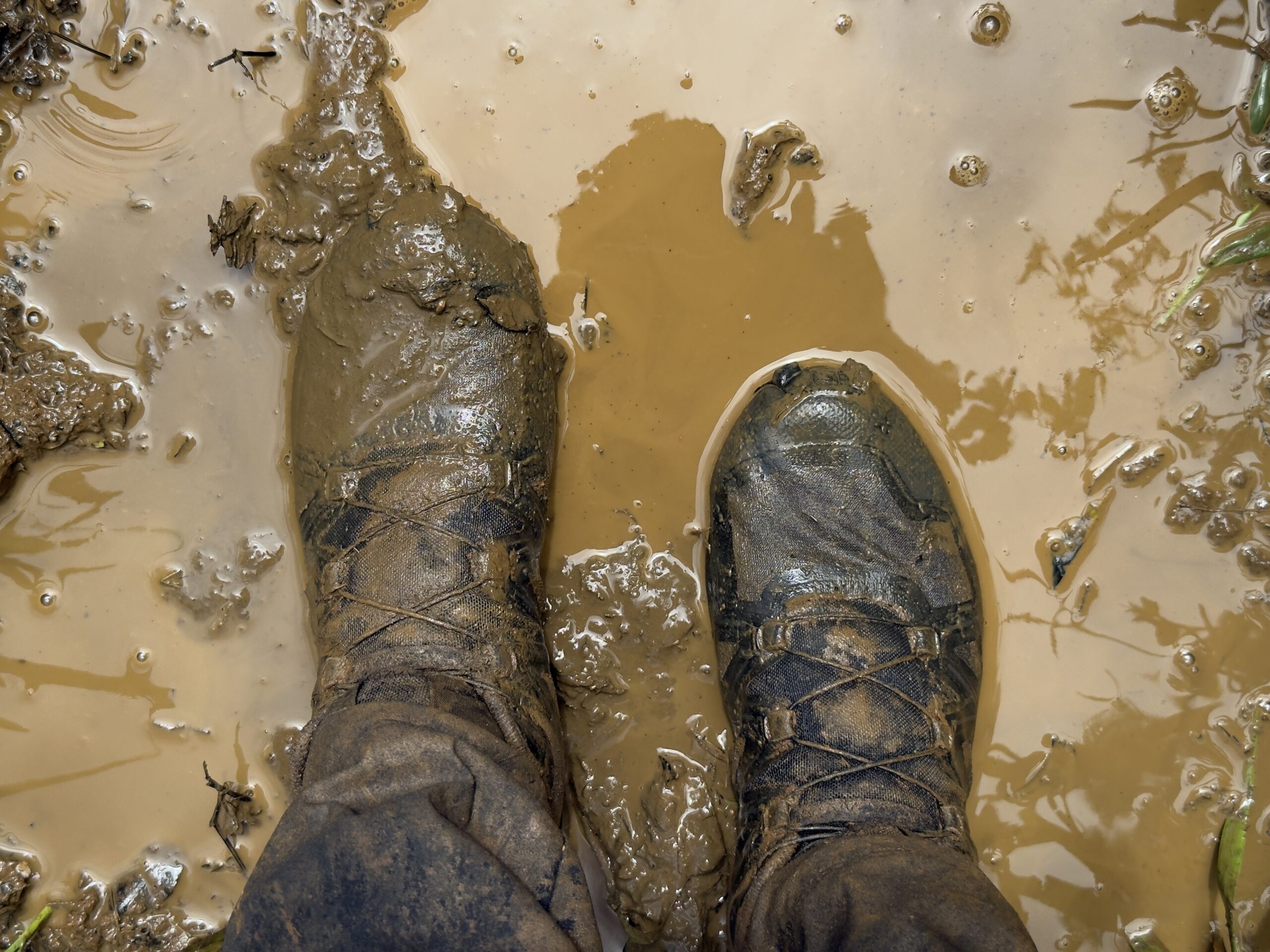
- Safety Concern: Microspikes can also catch on roots or sticks along the trail. Some hikers have fallen because their spikes got caught, including one member who suffered a broken arm. On very muddy trails, spikes accumulate mud, rendering them heavy and potentially less effective.
- Conscientious Hiking: Some hikers try not to walk too closely to someone wearing spikes, to avoid the potential of being painfully stepped on.
- Weight. Spikes add extra weight.
- Discomfort. If trail shoes don’t have a firm exterior, the rubberized part of the microspikes that fit over the shoe can hurt the top of your feet, especially around the toe box. Some hikers complain that they can feel the spikes through their shoe soles, or that their knees get sore when wearing spikes. (recommend wearing the right size spikes with boots for more comfort)
- Cost. Microspike costs range from $15 -$86. Not a one-time purchase, spikes need to be replaced when the rubber breaks (easily repaired with zip ties) or they are lost.
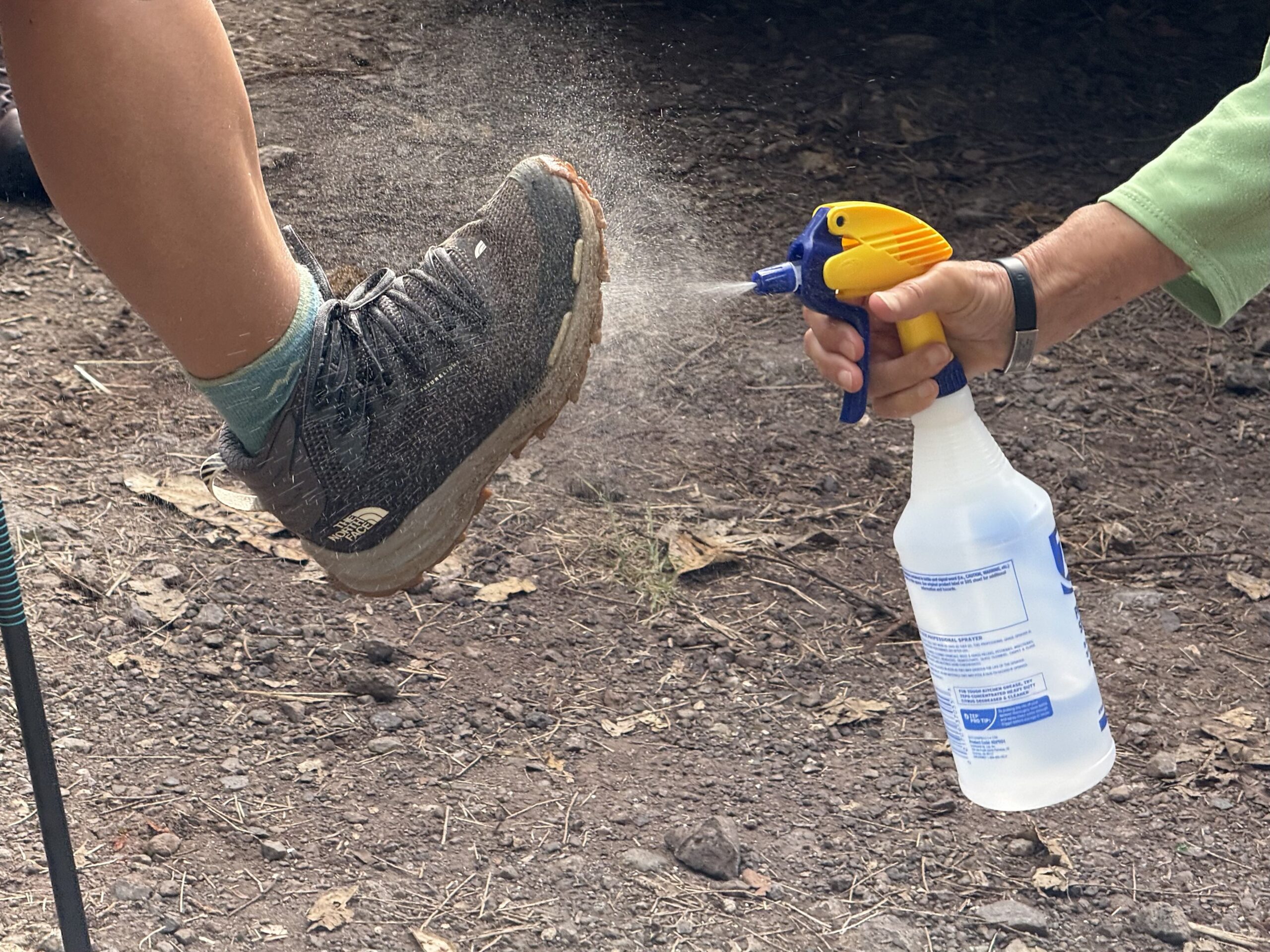
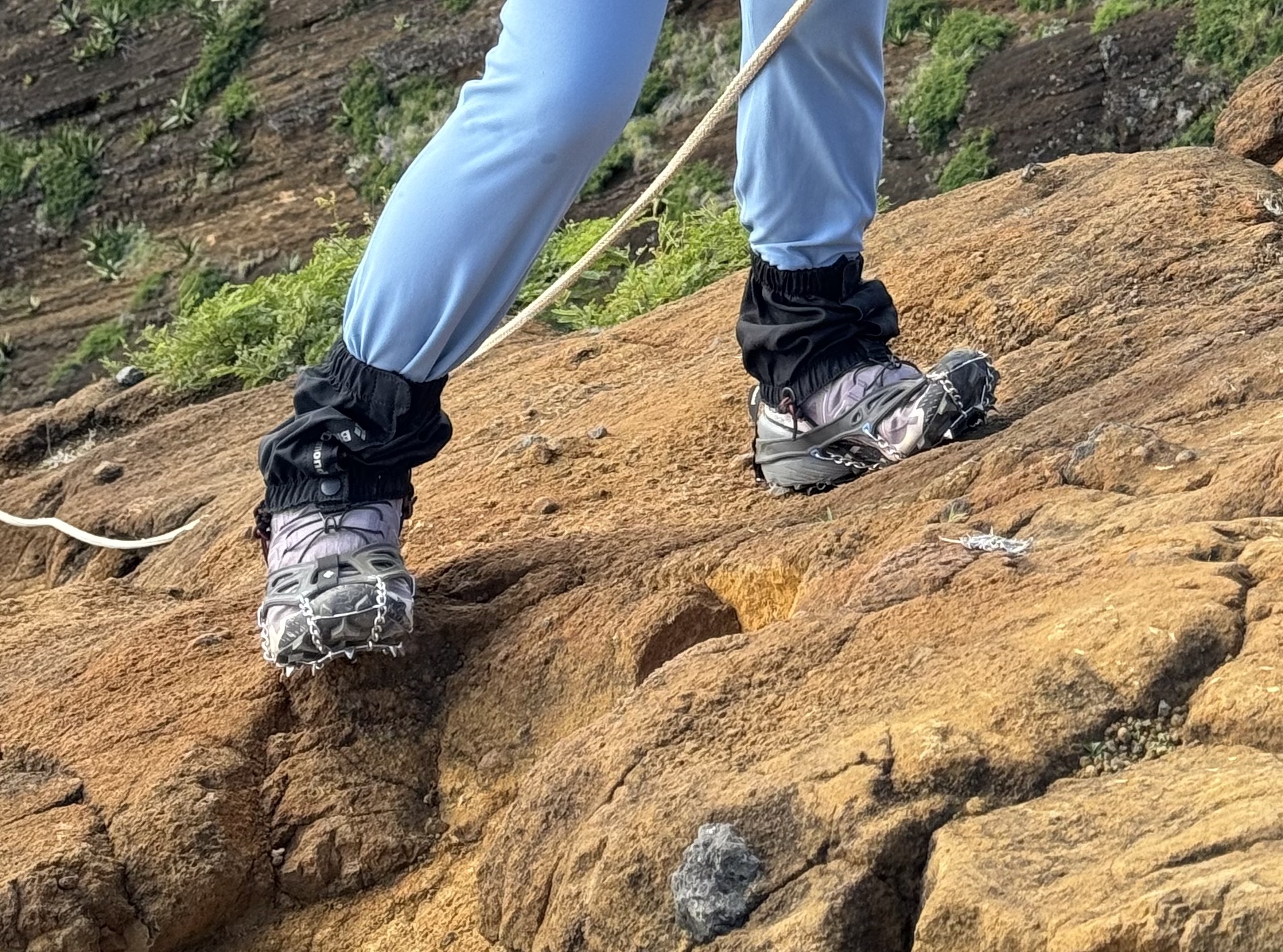
Conclusions & Recommendations: It is recommended that hikers who are looking for better grip on steep, slippery, and/or muddy trail conditions, and stream crossings, consider adding microspikes to your hiking tool kit. For safety reasons it is suggested hikers carry microspikes to use if needed. If wearing microspikes, consider wearing gators to avoid catching microspikes on your shoe laces. You might want to carry zip ties for microspike repair on the trail. To avoid incidents, pay attention where you are placing your feet in proximity to one another on the trail. More importantly whatever hiking footwear you use, boots/shoes should have good tread and don’t forget to disinfect your footwear with rubbing alcohol to help protect our native plants. Mahalo!